Table of Contents
- Introduction
- What are Omega-3 Supplements?
- The Benefits of Omega-3 for Heart Health
- How Omega-3 Supplements Compare to Other Heart Health Supplements
- Key Ingredients in Omega-3 & Heart Supplements
- Omega-3 Dosage: How Much is Right for You?
- Potential Side Effects of Omega-3 & Heart Supplements
- Choosing the Right Omega-3 or Heart Supplement for You
- Which Supplement Best Supports Heart Health?
- Frequently Asked Questions (FAQ)
Introduction
In this blog post, we compare Omega-3 supplements to other heart health supplements to help you make an informed decision. Heart health is essential for overall well-being, and supplements can play a role in maintaining a healthy cardiovascular system. This guide provides an in-depth look at Omega-3 and other supplements that support heart health.
What are Omega-3 Supplements?
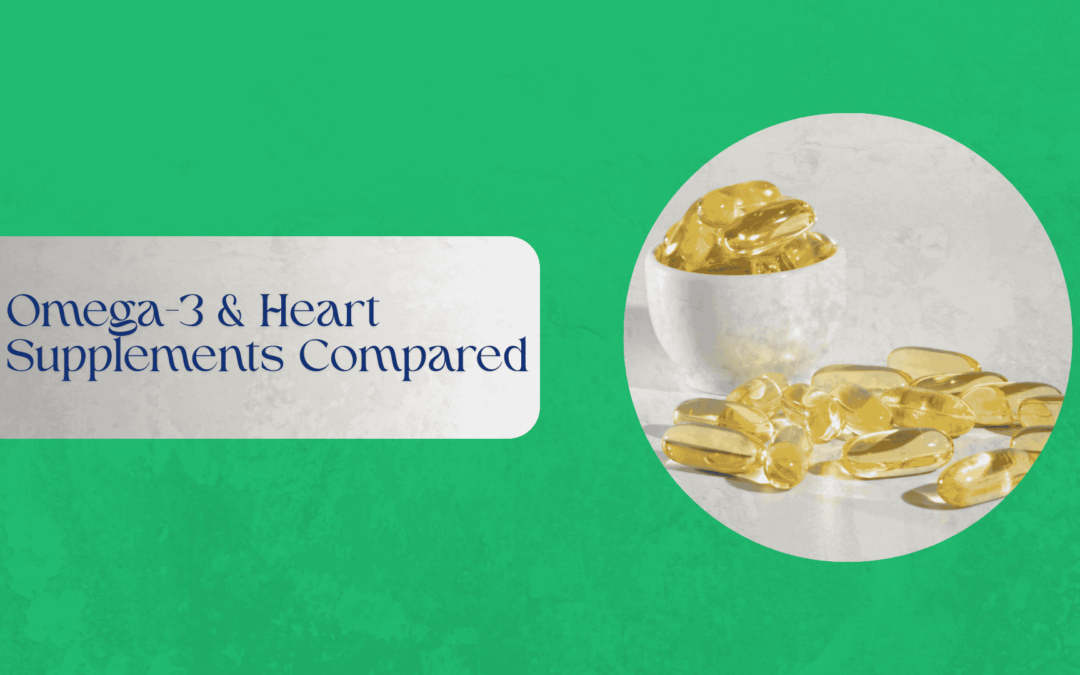
Omega-3 fatty acids are essential fats that provide numerous benefits for overall health, especially heart health. These supplements typically come from fish oil, algae, or plant-based sources like flaxseed. Omega-3 fatty acids are known for their anti-inflammatory properties and their ability to reduce the risk of heart disease.
The Benefits of Omega-3 for Heart Health
Research suggests that Omega-3 fatty acids help reduce triglycerides, lower blood pressure, and improve overall heart health. By incorporating Omega-3 into your diet, you can promote better circulation and reduce the risk of blood clots, which are key factors in cardiovascular disease.
How Omega-3 Supplements Compare to Other Heart Health Supplements
In comparison to other heart health supplements, Omega-3 stands out for its well-researched benefits, particularly for lowering triglycerides and improving overall blood circulation. Other heart health supplements, like CoQ10 and garlic, offer additional benefits but may not have the same level of evidence supporting heart disease prevention.
Key Ingredients in Omega-3 & Heart Supplements
Some of the most common ingredients in heart health supplements include Omega-3 fatty acids, CoQ10, Vitamin D, and garlic. These ingredients work together to support cardiovascular health, with Omega-3 being the most prominent for reducing inflammation and improving heart function.
Omega-3 Dosage: How Much is Right for You?
The ideal dosage of Omega-3 supplements can vary based on age, health condition, and dietary habits. Generally, a daily intake of 500-1000 mg of EPA and DHA (types of Omega-3) is recommended for heart health benefits. However, it’s always best to consult with a healthcare provider before starting any supplement regimen.
Potential Side Effects of Omega-3 & Heart Supplements
While Omega-3 supplements are generally safe, they can cause mild side effects such as fishy aftertaste, digestive upset, or allergic reactions in sensitive individuals. It’s important to choose high-quality supplements and follow recommended dosages to minimise these risks.
Choosing the Right Omega-3 or Heart Supplement for You
When selecting a supplement, consider factors like the source of Omega-3 (fish oil vs. algae), the purity of the product, and the dosage. It’s important to select a high-quality product to ensure you’re receiving the maximum benefit for heart health.
Which Supplement Best Supports Heart Health?
Both Omega-3 and other heart health supplements like CoQ10 and garlic offer unique benefits. However, Omega-3 fatty acids are widely regarded as the most effective for improving heart health due to their strong anti-inflammatory effects. Choosing the right supplement depends on your health goals, but Omega-3 remains a top choice for many.
Frequently Asked Questions (FAQ)
- Q1: How do Omega-3 supplements benefit heart health?
Omega-3 supplements help reduce triglycerides, lower blood pressure, and decrease the risk of heart disease by improving blood circulation and reducing inflammation. - Q2: Are there any side effects of Omega-3 supplements?
Possible side effects include a fishy aftertaste, stomach upset, and allergic reactions. Always follow the recommended dosage and consult a healthcare professional if you have concerns.
Disclaimer:
“This content is for general informational purposes only and is not intended as medical or professional advice. Always seek the guidance of a qualified professional regarding any questions about personal wellbeing or products.”