by iamrolanddiaz | Dec 26, 2025 | Advocacy
Table of Contents
- Introduction
- The First Signs of Sunburn
- Immediate Steps to Soothe the Pain
- The Role of Sunburn Relief Products
- The Importance of Hydration During Recovery
- The Healing Process Over Time
- Preventing Future Sunburns
- Conclusion
- Frequently Asked Questions (FAQ)
Introduction
Recovering from severe sunburn can be a painful and long process, but with the right care and products, it is possible to heal and protect your skin. In this blog, I will share my personal experience with severe sunburn, the steps I took to recover, and how the right sunburn relief products played a crucial role in my recovery. Additionally, I’ll recommend some of the most effective sunburn relief products available to help speed up healing and prevent further damage.
The First Signs of Sunburn
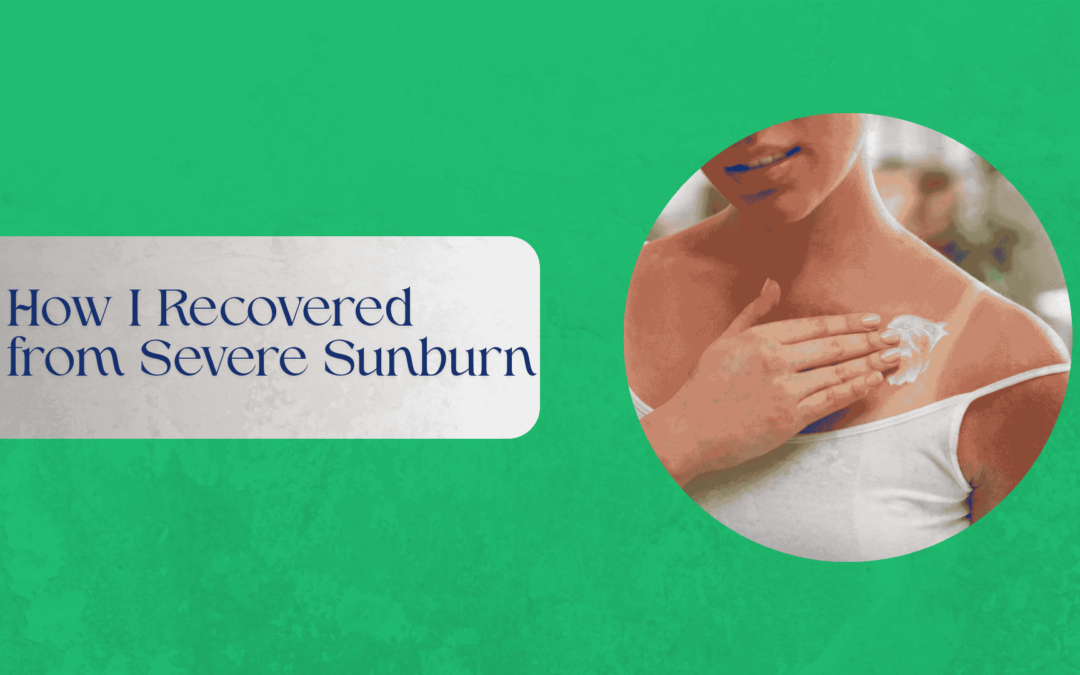
It all started when I spent a few hours under the harsh midday sun without proper protection. At first, I didn’t notice the damage, but by the evening, my skin was hot to the touch, and I began to see redness and swelling. This is when I realized that my sunburn was more severe than I had anticipated.
Immediate Steps to Soothe the Pain
As soon as I noticed the sunburn, I started taking immediate action to soothe the pain. I applied aloe vera gel, drank plenty of water, and stayed in the shade. These steps helped reduce the heat and provided some relief. However, the redness and discomfort persisted, and I knew I needed additional help.
The Role of Sunburn Relief Products
When I realized the severity of my sunburn, I turned to sunburn relief products to help heal my skin. These products, including cooling gels, soothing lotions, and anti-inflammatory creams, helped to alleviate the redness and inflammation. I found that the more natural and hydrating ingredients in these products, such as aloe vera and chamomile, provided the best results.
The Importance of Hydration During Recovery
Hydration was key in my recovery. Sunburn draws moisture from your skin, so it is essential to replenish it by drinking plenty of fluids. I also used hydrating lotions to lock in moisture and keep my skin supple. Staying hydrated helped my skin repair more efficiently and prevented peeling.
The Healing Process Over Time
It took a few days for the redness to subside, and even longer for the pain to go away completely. Gradually, my skin began to peel, which is a sign that the healing process was underway. During this time, I continued using sunburn relief products to minimize discomfort and promote healing.
Preventing Future Sunburns
Once I recovered, I made a commitment to protect my skin from future sun damage. I now use SPF 50+ sunscreen regularly, wear protective clothing, and avoid the sun during peak hours. These practices are essential for long-term skin health and preventing more severe sunburns.
Conclusion
Recovering from severe sunburn takes time and patience, but it’s important to stay consistent with your skincare routine to promote healing. Using the right sunburn relief products can make a significant difference in your recovery. Remember to stay hydrated, use soothing products, and protect your skin from future sun exposure. If you’re dealing with sunburn, consider trying out some of the sunburn relief products we’ve discussed to help you recover faster.
Frequently Asked Questions (FAQ)
- How long does it take for sunburn to heal?
Sunburn recovery time varies depending on the severity, but mild sunburn typically heals in 3-5 days, while more severe burns may take up to two weeks.
- What should I do if my sunburn blisters?
If blisters form, it’s important to avoid popping them. Let them heal naturally and apply soothing products to reduce discomfort.
Disclaimer
This content is for general informational purposes only and is not intended as medical or professional advice. Always seek the guidance of a qualified professional regarding any questions about personal wellbeing or products.

by iamrolanddiaz | Dec 26, 2025 | Advocacy
Table of Contents
- Introduction
- The Importance of Daily Movement
- Balanced Diet and Heart Health
- Managing Stress Effectively
- Sleep and Its Impact on Heart Health
- Hydration and Heart Health
- Avoiding Tobacco and Limiting Alcohol
- Regular Health Checkups
- Conclusion
- Frequently Asked Questions (FAQ)
Introduction
The daily habits we incorporate into our lives can have a profound impact on our heart health. Simple lifestyle changes—like staying active, eating a balanced diet, and getting adequate rest—can help reduce the risk of heart disease. This article explores how a few key habits can strengthen your heart and improve overall wellness.
The Importance of Daily Movement
Regular physical activity is essential for maintaining a healthy heart. Whether it’s a brisk walk, cycling, or a daily workout routine, staying active strengthens the heart muscle, improves circulation, and helps maintain healthy blood pressure and cholesterol levels. The Australian Heart Foundation recommends at least 30 minutes of moderate activity per day to support cardiovascular health.
Balanced Diet and Heart Health
Eating a well-rounded diet rich in fruits, vegetables, whole grains, and healthy fats is crucial for heart health. Foods such as leafy greens, nuts, seeds, and fatty fish (like salmon) provide essential nutrients that protect the heart from damage caused by high cholesterol, high blood pressure, and inflammation.
Managing Stress Effectively
Chronic stress can take a toll on your heart, raising blood pressure and promoting unhealthy lifestyle choices like overeating or smoking. Regular mindfulness practices such as meditation, yoga, or deep breathing exercises can help reduce stress and improve cardiovascular health.
Sleep and Its Impact on Heart Health
Getting enough restful sleep is vital for heart health. Sleep allows the body to repair itself, and insufficient sleep can lead to an increased risk of high blood pressure, heart disease, and stroke. Aim for 7-9 hours of quality sleep each night to support overall well-being.
Hydration and Heart Health
Staying well-hydrated helps maintain healthy blood volume, regulates body temperature, and supports nutrient transport. Dehydration can strain the heart, so be sure to drink plenty of water throughout the day, especially if you’re physically active.
Avoiding Tobacco and Limiting Alcohol
Tobacco use is one of the leading causes of heart disease, while excessive alcohol intake can raise blood pressure and lead to arrhythmias. Quitting smoking and limiting alcohol consumption can significantly reduce your risk of developing cardiovascular conditions.
Regular Health Checkups
Regular checkups with your healthcare provider can help detect early signs of heart disease, allowing for early intervention. Monitoring blood pressure, cholesterol levels, and other vital signs regularly is essential for managing heart health and preventing serious conditions.
Conclusion
Incorporating these daily habits into your life can dramatically improve your heart health and reduce the risk of cardiovascular diseases. Remember, prevention is always better than treatment. Start today by making small changes, and you’ll be on your way to a healthier heart.
Frequently Asked Questions (FAQ)
- Q1: How often should I exercise for heart health?
A1: The Australian Heart Foundation recommends at least 30 minutes of moderate-intensity physical activity on most days of the week.
Disclaimer
“This content is for general informational purposes only and is not intended as medical or professional advice. Always seek the guidance of a qualified professional regarding any questions about personal wellbeing or products.”

by iamrolanddiaz | Dec 26, 2025 | Advocacy
Table of Contents
- Introduction
- Understanding Heart Health
- Key Habits to Support Heart Health
- Essential Products for Maintaining Heart Health
- The Importance of Regular Heart Health Checkups
- Stress Management for a Healthy Heart
- Nutrition and Heart Health
- Exercises That Benefit Heart Health
- Conclusion
- Frequently Asked Questions (FAQ)
Introduction
Heart health is one of the most important aspects of overall well-being, and maintaining a healthy heart is essential for longevity and quality of life. With increasing health awareness, it’s crucial to incorporate good habits and the right tools to support heart health. This blog post highlights the heart health essentials every individual should own and keep in mind for a healthier lifestyle.
Understanding Heart Health
The heart is the body’s most vital organ, responsible for circulating blood and nutrients throughout the body. Understanding how it works and what can affect its function is the first step toward taking proactive steps to protect it. Awareness of risk factors like high blood pressure, cholesterol, and family history can play a huge role in how we care for our hearts.
Key Habits to Support Heart Health
Establishing healthy habits can go a long way in preventing heart disease. These include regular exercise, balanced nutrition, and stress management. Let’s explore how simple lifestyle changes can reduce risk factors and improve your heart health over time.
Essential Products for Maintaining Heart Health
There are several tools and products that can support heart health in everyday life, such as heart rate monitors, blood pressure cuffs, and nutrient-rich supplements. Let’s look at some of the heart health essentials that can help you monitor and maintain a healthy heart.
The Importance of Regular Heart Health Checkups
Scheduling regular visits with your healthcare provider for heart checkups can help identify potential problems early. Routine tests such as cholesterol checks, blood pressure monitoring, and ECGs are crucial for staying ahead of any issues.
Stress Management for a Healthy Heart
Stress is a major contributor to heart disease. Learning how to manage stress can not only improve your emotional well-being but also lower your heart disease risk. Simple activities like meditation, breathing exercises, and getting enough sleep can have a profound impact.
Nutrition and Heart Health
What we eat has a direct impact on heart health. A balanced diet rich in fruits, vegetables, and healthy fats can reduce the risk of heart disease. Avoiding excessive salt, processed foods, and trans fats will also benefit the heart.
Exercises That Benefit Heart Health
Physical activity is one of the best ways to keep your heart healthy. Whether it’s daily walking, jogging, or yoga, regular exercise helps improve circulation, lower blood pressure, and keep the heart in top shape.
Conclusion
Taking care of your heart is a long-term commitment, and the right tools, habits, and knowledge are key to success. From understanding the importance of heart health to incorporating the right products into your daily routine, every step counts in improving your quality of life.
Frequently Asked Questions (FAQ)
- Q: How often should I check my heart health?
A: It’s recommended to have regular checkups at least once a year, especially if you have risk factors like high blood pressure or family history of heart disease.
Mandatory Disclaimer
“This content is for general informational purposes only and is not intended as medical or professional advice. Always seek the guidance of a qualified professional regarding any questions about personal wellbeing or products.”
by iamrolanddiaz | Dec 26, 2025 | Advocacy
Table of Contents
- Introduction
- The Importance of Monitoring Your Blood Pressure
- How I Found the Right Blood Pressure Monitor
- The Impact on My Daily Life
- How It Encouraged Me to Make Healthier Choices
- Conclusion
- Frequently Asked Questions (FAQ)
Introduction
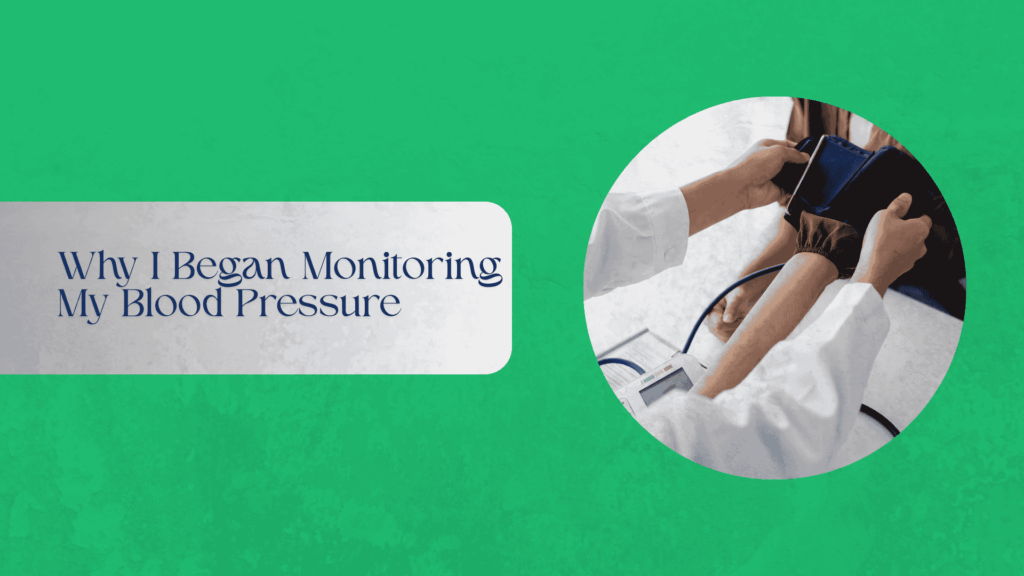
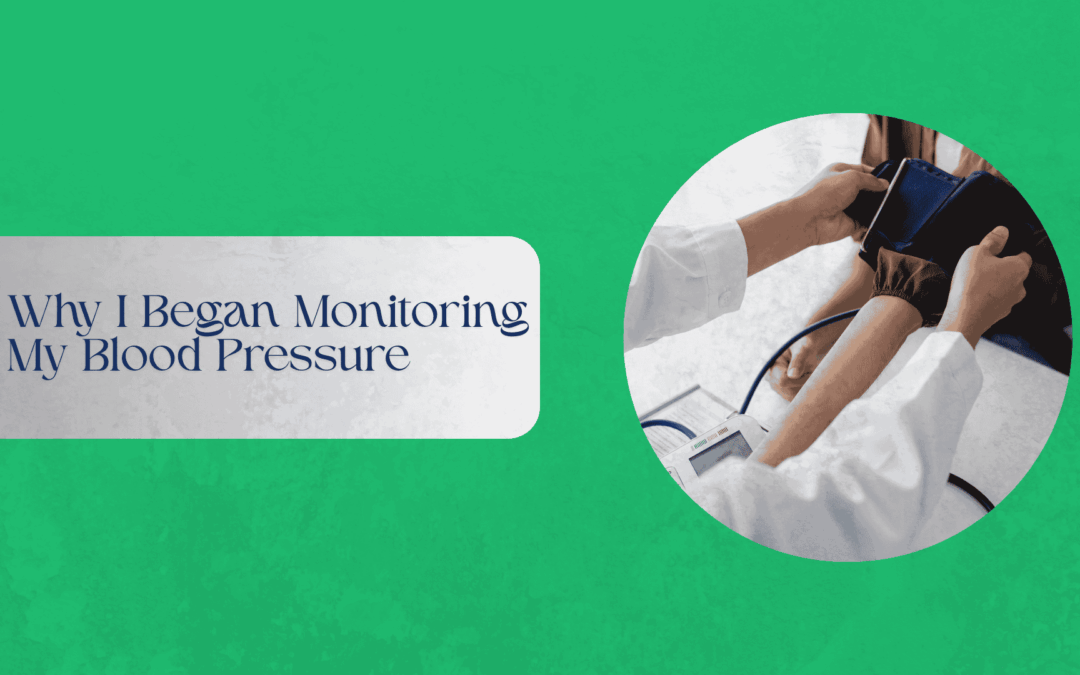
Monitoring your blood pressure is often something we don’t think about until there’s a health scare or a doctor’s recommendation. For me, it started as a simple, yet important, lifestyle change after I noticed my energy levels fluctuated and felt concerned about my heart health. This story is about how a routine of regularly checking my blood pressure helped me gain more control over my health and feel more informed about my body’s signals.
To make this process easier and more accurate, I turned to Home Health Monitoring products, which provided me with the tools I needed. According to the Australian Heart Foundation, regular monitoring can help identify early signs of high blood pressure, allowing for timely intervention and prevention of complications.
The Importance of Monitoring Your Blood Pressure
For many people, blood pressure monitoring may seem like an extra task, but it’s essential for understanding your heart’s health. Even if you’re not at risk of hypertension, tracking your blood pressure can alert you to any developing issues early on.
By regularly monitoring, I was able to see patterns in my readings, which made me feel more confident about my heart health. Home Health Monitoring tools can provide insights into these changes, helping you stay ahead of any potential concerns.
Australian Heart Foundation: Monitoring Your Blood Pressure
How I Found the Right Blood Pressure Monitor
I spent a considerable amount of time researching and testing different devices before choosing one that suited my needs. When selecting a Home Health Monitoring device, I focused on accuracy, ease of use, and reliability. After reading reviews and consulting with healthcare professionals, I found a monitor that consistently delivered precise results.
It’s important to pick a monitor that fits your lifestyle, as you’ll need to use it regularly. I also found that investing in a high-quality monitor made a difference in how seriously I took my health checks.
Choosing a Blood Pressure Monitor
The Impact on My Daily Life
Regular monitoring brought a sense of peace of mind. I knew I was doing my part to ensure my blood pressure stayed within a healthy range. By tracking my readings over time, I noticed patterns and changes that I could discuss with my doctor, which helped refine my approach to health.
With Home Health Monitoring, it became easier to integrate health checks into my daily routine. It’s now part of my self-care, and I feel more proactive about my health than ever before.
Self-care for Heart Health
How It Encouraged Me to Make Healthier Choices
Monitoring my blood pressure made me more aware of the connection between my lifestyle choices and my health. When I saw a spike in my readings, it motivated me to improve my diet, reduce stress, and stay active.
By focusing on a healthier lifestyle, I found that my blood pressure readings became more stable, reinforcing the idea that small daily changes can have a big impact. Investing in Home Health Monitoring has helped me stay consistent and motivated.
Lifestyle Changes for Heart Health
Conclusion
Taking control of your health begins with awareness, and for me, monitoring my blood pressure was the first step. It’s now a daily habit that helps me stay on top of my health and make informed decisions about my lifestyle.
If you’re thinking of starting your own health monitoring journey, I highly recommend exploring Home Health Monitoring devices. Not only do they provide valuable insights, but they also give you the peace of mind that you’re actively managing your well-being.
Understanding Blood Pressure
Disclaimer:
This content is for general informational purposes only and is not intended as medical or professional advice. Always seek the guidance of a qualified professional regarding any questions about personal well-being or products.
by iamrolanddiaz | Dec 26, 2025 | Advocacy
Table of Contents
- Introduction
- What is a Blood Pressure Monitor?
- How Blood Pressure Monitors Work
- Types of Blood Pressure Monitors
- Key Features to Consider When Choosing a Blood Pressure Monitor
- How to Properly Use a Blood Pressure Monitor
- How to Interpret Blood Pressure Readings
- The Importance of Monitoring Blood Pressure Regularly
- Top Blood Pressure Monitors in the Market
- Conclusion & Buying Guide
Introduction
Blood pressure is an important indicator of overall health, and monitoring it regularly can help you manage your wellbeing. Blood pressure monitors are essential tools in both home and healthcare settings, providing accurate readings that can help individuals stay on top of their cardiovascular health. This guide will explore the different types of blood pressure monitors available, how they work, and what features to look for when selecting one.
What is a Blood Pressure Monitor?
A blood pressure monitor is a device used to measure the pressure of blood in the arteries. Blood pressure is expressed in two numbers: systolic and diastolic. The systolic pressure is the force when the heart beats, and the diastolic pressure is the force when the heart is at rest. Understanding blood pressure readings is crucial for maintaining good heart health.
How Blood Pressure Monitors Work
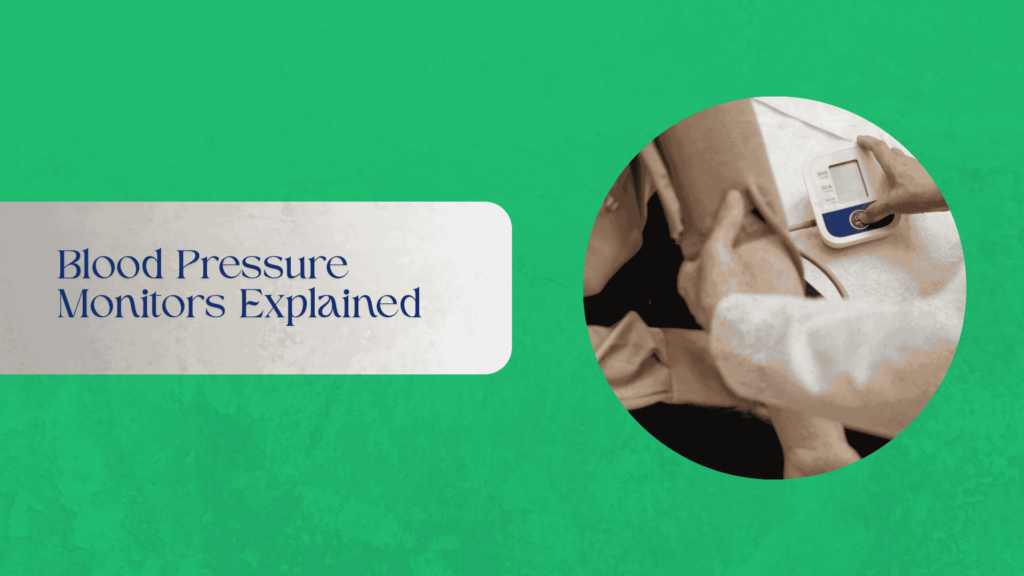
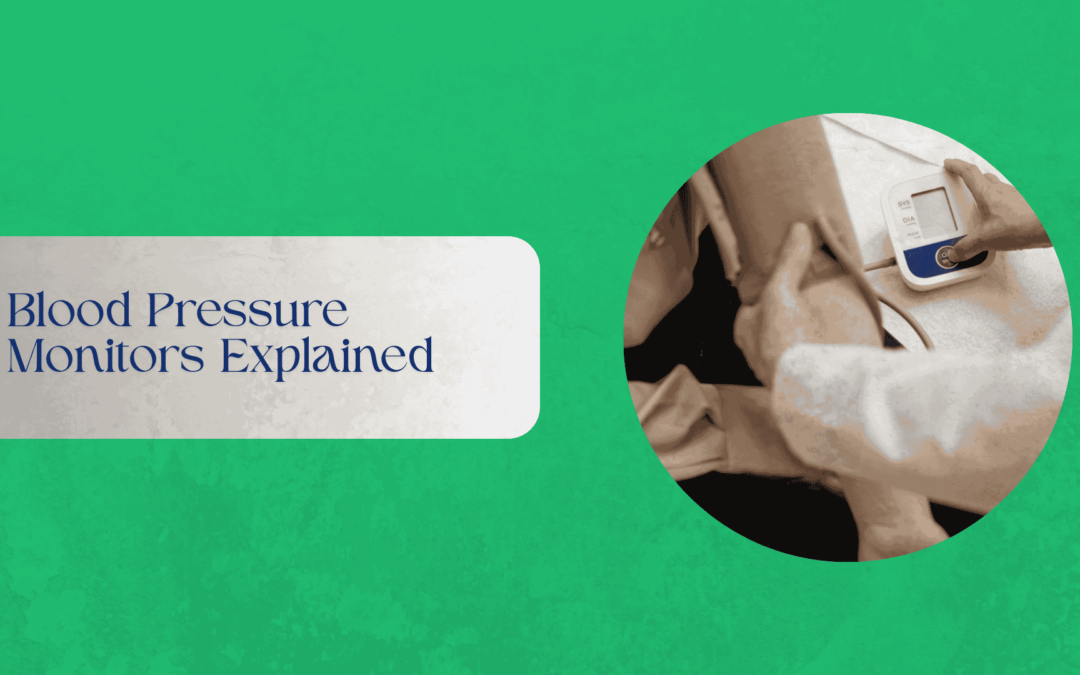
Blood pressure monitors measure the force exerted by blood against the walls of your arteries as your heart pumps. The device includes an inflatable cuff that is placed around the upper arm, which is then inflated to temporarily stop the blood flow. As the cuff deflates, the monitor detects blood flow and provides a reading of systolic and diastolic pressure.
Types of Blood Pressure Monitors
There are mainly two types of blood pressure monitors: manual and digital. Manual monitors require the use of a stethoscope and are often used by healthcare professionals. Digital monitors, which are easier to use, automatically display the reading. Both types come in different sizes and features, suited for home or professional use.
Key Features to Consider When Choosing a Blood Pressure Monitor
When selecting a blood pressure monitor, consider factors such as accuracy, ease of use, cuff size, memory storage, and whether it is an arm or wrist monitor. Some monitors come with additional features, such as irregular heartbeat detection and Bluetooth connectivity for syncing readings to mobile apps.
How to Properly Use a Blood Pressure Monitor
For an accurate reading, it’s important to follow proper guidelines when using a blood pressure monitor. Ensure that you are sitting comfortably, with your arm supported at heart level, and that the cuff is snug but not too tight. Follow the manufacturer’s instructions carefully for optimal results.
How to Interpret Blood Pressure Readings
A normal blood pressure reading is generally below 120/80 mm Hg. Readings higher than this may indicate prehypertension or hypertension, depending on the level. It’s important to understand what your numbers mean and consult with a healthcare professional if your readings are consistently high or low.
The Importance of Monitoring Blood Pressure Regularly
Regular monitoring of blood pressure helps to catch early signs of heart disease, kidney issues, and other cardiovascular concerns. By tracking your readings, you can take preventive measures and make necessary lifestyle adjustments to maintain a healthy blood pressure range.
Top Blood Pressure Monitors in the Market
Some of the top-rated blood pressure monitors in the market include popular brands that offer reliable, accurate readings. We will review and compare some of the best models available, considering user feedback and product features to help you choose the best monitor for your needs.
Conclusion & Buying Guide
Choosing the right blood pressure monitor can make a significant difference in managing your health. With the wide range of options available, it’s important to select one that meets your needs and provides accurate, reliable readings. Remember to check for product features such as memory storage, accuracy, and ease of use.
Disclaimer
This content is for general informational purposes only and is not intended as medical or professional advice. Always seek the guidance of a qualified professional regarding any questions about personal well-being or products.