by iamrolanddiaz | Dec 26, 2025 | Advocacy
Table of Contents
- The Importance of Heart Health at Home
- Understanding Heart Health
- Everyday Habits to Support Heart Health
- Monitoring Your Heart Health at Home
- Tools for Tracking Heart Health
- Recognising Early Warning Signs
- How Diet Affects Your Heart Health
- Exercise and Heart Health
- Stress Management for a Healthy Heart
- Simple Steps for a Healthy Heart at Home
- Frequently Asked Questions (FAQ)
The Importance of Heart Health at Home
Maintaining heart health is a lifelong commitment, and it starts at home. Many factors influence heart health, including lifestyle choices, diet, exercise, and stress management. Being proactive about monitoring your heart health can help reduce the risk of heart disease and improve overall well-being. This blog explores how you can take charge of your heart health from the comfort of your home.
Understanding Heart Health
Heart health refers to the overall condition of the heart and circulatory system. Factors like blood pressure, cholesterol levels, and heart rate are key indicators of heart health. Understanding these can help you identify risks and prevent heart-related issues.
Everyday Habits to Support Heart Health
Adopting heart-healthy habits can significantly reduce the risk of heart disease. Simple lifestyle changes such as quitting smoking, reducing salt intake, and prioritising quality sleep can have a positive impact on your heart.
Monitoring Your Heart Health at Home
Regularly monitoring your heart health can provide early signs of potential problems. Devices like heart rate monitors, blood pressure cuffs, and pulse oximeters allow you to track key health indicators at home.
Tools for Tracking Heart Health
Several tools are available for tracking heart health at home. From digital thermometers to wearable fitness trackers, these devices help track vital signs and monitor your heart’s condition.
Recognising Early Warning Signs
Knowing the warning signs of heart problems can save lives. Symptoms like chest pain, shortness of breath, dizziness, and palpitations should never be ignored. Early detection is key.
How Diet Affects Your Heart Health
A balanced diet rich in fruits, vegetables, whole grains, and lean proteins supports heart health. Avoiding processed foods, trans fats, and excessive sodium is essential for keeping the heart in top shape.
Exercise and Heart Health
Regular physical activity strengthens the heart muscle, improves circulation, and helps manage blood pressure. Whether it’s walking, swimming, or strength training, find an exercise routine that works for you.
Stress Management for a Healthy Heart
Chronic stress can negatively affect heart health. Managing stress through relaxation techniques, meditation, and deep breathing exercises can significantly reduce the risk of heart disease.
Simple Steps for a Healthy Heart at Home
Heart health is in your hands, and starting at home is the first step toward a healthier heart. By adopting heart-healthy habits, monitoring vital signs, and using helpful tools, you can take control of your heart’s future.
Frequently Asked Questions (FAQ)
- How often should I monitor my heart rate at home?
It’s recommended to check your heart rate at least once a week, especially if you’re at risk for heart disease. Consult your doctor for personalised advice.
- Can a healthy diet prevent heart disease?
While diet alone cannot guarantee prevention, a heart-healthy diet plays a significant role in reducing risk factors like high cholesterol and high blood pressure.
Disclaimer:
“This content is for general informational purposes only and is not intended as medical or professional advice. Always seek the guidance of a qualified professional regarding any questions about personal wellbeing or products.”
by iamrolanddiaz | Dec 26, 2025 | Advocacy
Table of Contents
- Introduction
- Why Sun Care Products are Essential for Summer
- Top-Rated Sun Protection Solutions
- The Best Sunscreens for Sensitive Skin
- Sun Care for Active Lifestyles
- After-Sun Care: Keep Your Skin Healthy
- Why Customers Love These Sun Care Products
- How to Choose the Right Sun Care Products for You
- Conclusion & Final Tips
- Frequently Asked Questions
Introduction
Sun care is a crucial part of maintaining healthy skin throughout the year, but it becomes especially important during the hot summer months. In this guide, we highlight the customer-favourite sun care products that not only protect against harmful UV rays but also nurture your skin. From broad-spectrum sunscreens to soothing after-sun treatments, we cover it all.
Why Sun Care Products are Essential for Summer
As the temperatures rise, the need for effective sun protection becomes critical. Prolonged exposure to UV rays can lead to skin damage, premature aging, and even increase the risk of skin cancer. Learn why sun care is essential for all skin types, especially during outdoor activities.
Top-Rated Sun Protection Solutions
When it comes to protecting your skin, not all sunscreens are created equal. Explore some of the most popular sun protection products loved by our customers, from SPF 50+ to water-resistant formulas perfect for beach days.
The Best Sunscreens for Sensitive Skin
Sensitive skin requires special attention. Here, we feature sunscreens that provide high protection without irritating the skin, making them ideal for those with skin conditions or sensitivities.
Sun Care for Active Lifestyles
If you’re someone who enjoys sports or outdoor adventures, sun protection that keeps up with your lifestyle is a must. Discover sun care products designed to withstand sweat and water, keeping you protected while you’re on the move.
After-Sun Care: Keep Your Skin Healthy
Even with the best protection, sun exposure can still cause skin irritation. After-sun care products are essential to soothe, hydrate, and restore your skin.
Why Customers Love These Sun Care Products
What sets these sun care products apart? We dive into customer feedback, highlighting why these products are fan favorites and how they provide value beyond basic sun protection.
How to Choose the Right Sun Care Products for You
With so many options available, selecting the right sun care products can be overwhelming. This section guides you on choosing based on your skin type, activities, and needs.
Conclusion & Final Tips
Protecting your skin doesn’t have to be difficult. Armed with the right products, you can enjoy your time outdoors without worry. Recap our top sun care recommendations and remember to apply sunscreen regularly.
Frequently Asked Questions (FAQ)
- How often should I apply sunscreen?
Sunscreen should be reapplied every two hours or after swimming or sweating.
Mandatory Disclaimer
“This content is for general informational purposes only and is not intended as medical or professional advice. Always seek the guidance of a qualified professional regarding any questions about personal wellbeing or products.”
by iamrolanddiaz | Dec 26, 2025 | Advocacy
Table Of Content
- Introduction
- The Importance of After-Sun Care
- Top After-Sun Skin Repair Ingredients to Look For
- Best After-Sun Products for Sensitive Skin
- Hydrating After-Sun Products to Combat Dryness
- How to Apply After-Sun Products for Maximum Benefit
- After-Sun Care for Long-Term Skin Health
- Conclusion
- Frequently Asked Questions (FAQ)
Introduction
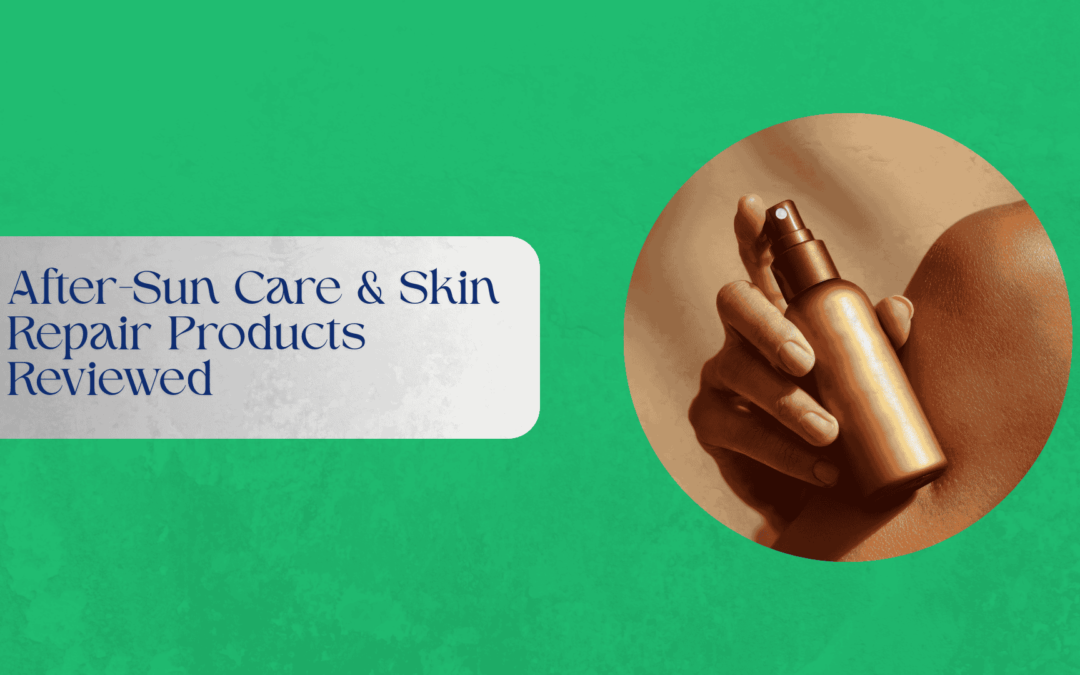
After spending a day under the sun, it’s important to give your skin the care it needs to repair and rejuvenate. Sun exposure, while enjoyable, can lead to dryness, irritation, and even long-term damage. That’s where after-sun care and skin repair products come in. These products are designed to hydrate, soothe, and restore your skin’s natural balance after a day outdoors. In this article, we’ll review some of the best after-sun care and skin repair products on the market, focusing on their effectiveness, ingredients, and overall performance. Whether you’re dealing with mild sunburn or simply need a moisturising boost, these products are essential for your skincare routine.
Explore our [After-Sun & Skin Repair] range for effective solutions
For more information, check out this article from the Australian Government’s Department of Health on skin care tips.
The Importance of After-Sun Care
After exposure to the sun, your skin can become dehydrated and sensitive. After-sun care helps replenish lost moisture, calm irritation, and reduce the chances of peeling. Some key ingredients to look for in after-sun products include aloe vera, vitamin E, and chamomile, which are known for their soothing properties. A good after-sun lotion or gel can prevent your skin from becoming dry and flaky while helping it recover from sun exposure.
Check out our [After-Sun & Skin Repair] collection for moisturising products.
For more tips on keeping your skin healthy, visit the Australian Cancer Council’s sunscreen advice.
Top After-Sun Skin Repair Ingredients to Look For
Certain ingredients stand out when it comes to repairing sun-damaged skin. Aloe vera is often the go-to choice for soothing and cooling inflamed skin. It also aids in replenishing moisture and provides a calming effect. Other beneficial ingredients include antioxidants like vitamin C, which helps repair damaged skin cells, and hyaluronic acid, which keeps your skin hydrated. When looking for the best after-sun products, always check the ingredient list for these key players.
Explore our [After-Sun & Skin Repair] products with nourishing ingredients.
Learn more about the benefits of natural ingredients in skincare from ACMA’s consumer guidelines.
Best After-Sun Products for Sensitive Skin
If you have sensitive skin, finding an after-sun product that won’t irritate it is essential. Look for fragrance-free, hypoallergenic options that are gentle and soothing. Aloe-based gels or creams are often the best for sensitive skin, as they offer relief without causing further irritation. Be sure to check for any added chemicals that could trigger a reaction, and opt for products designed specifically for sensitive skin.
Browse our selection of [After-Sun & Skin Repair] products ideal for sensitive skin.
For more tips, visit the TGA’s advice on skincare products.
Hydrating After-Sun Products to Combat Dryness
Sun exposure can leave your skin feeling dry and tight. To combat this, hydrating after-sun products are essential. Look for creams and lotions that are rich in moisturising ingredients like glycerin, shea butter, and jojoba oil. These ingredients help lock in moisture and restore your skin’s natural elasticity. A good after-sun moisturiser not only rehydrates but also improves the overall texture and appearance of your skin.
Shop our [After-Sun & Skin Repair] moisturisers for deep hydration.
Check out the Australian Dermatology Society’s tips on skin hydration.
How to Apply After-Sun Products for Maximum Benefit
To get the most out of your after-sun products, it’s essential to apply them correctly. Start by gently cleansing your skin to remove any sweat, dirt, or sunscreen residue. After drying, apply a generous amount of after-sun lotion or gel to your face and body, paying special attention to areas that are more exposed to the sun. Massage it in gently to allow your skin to absorb the ingredients. For optimal results, use the product as soon as possible after sun exposure.
Find the best application methods in our [After-Sun & Skin Repair] range.
For more on effective skincare practices, read this TGA guide on skin care.
After-Sun Care for Long-Term Skin Health
Taking care of your skin after sun exposure isn’t just about immediate relief—it also plays a role in your long-term skin health. Consistent use of after-sun products can help prevent premature aging, pigmentation, and other skin issues caused by UV damage. By integrating these products into your daily skincare routine, you can protect your skin’s health and appearance for years to come.
Explore long-term skin care solutions in our [After-Sun & Skin Repair] range.
Learn more about long-term sun protection from the Australian Government Health Advice.
Conclusion
After-sun care and skin repair are vital components of your skincare routine, especially after a day spent under the sun. With the right products, you can hydrate, soothe, and repair your skin, ensuring it stays healthy and youthful. Remember to choose products with soothing ingredients, and apply them as soon as possible after sun exposure for the best results.
Explore our full [After-Sun & Skin Repair] product range for the best options for your skin.
For comprehensive sun safety advice, visit ACMA’s sun protection page.
Frequently Asked Questions (FAQ)
- What are the best after-sun products for sensitive skin?
Look for fragrance-free, hypoallergenic products with soothing ingredients like aloe vera and chamomile. Products specifically labelled for sensitive skin are the safest choice.
Find more sensitive-skin solutions in our [After-Sun & Skin Repair] range.
Learn more from TGA’s guidelines on skincare.
Disclaimer
This content is for general informational purposes only and is not intended as medical or professional advice. Always seek the guidance of a qualified professional regarding any questions about personal well-being or products.

by iamrolanddiaz | Dec 24, 2025 | Advocacy
Table Of Content
- Introduction
- Understanding Sun Damage
- The Importance of Daily Sun Protection
- Choosing the Right Sunscreen for Daily Use
- Conclusion
- Frequently Asked Questions (FAQ)
Introduction
Sun exposure is a significant environmental factor affecting skin health. Prolonged exposure to the sun can lead to a variety of harmful effects, including premature aging and increased risk of skin cancers. While enjoying the outdoors is essential for overall well-being, it is crucial to understand how sun damage occurs and why daily sun protection is essential for maintaining healthy skin. In this blog, we’ll explore the risks associated with sun damage and why applying sun protection regularly is an effective strategy for safeguarding your skin’s health.
Understanding Sun Damage
Sun damage occurs when the skin is exposed to harmful UV rays from the sun. These rays can penetrate the skin and cause both short-term and long-term damage, including sunburn, skin aging, and even skin cancer. Over time, repetitive sun exposure without adequate protection can lead to the breakdown of collagen, leading to premature aging. Understanding the risks of sun damage and its cumulative effect on the skin is crucial in choosing effective protection strategies.
The Importance of Daily Sun Protection
Using daily sun protection is one of the most effective ways to minimise the risks of sun damage. Even on cloudy days or indoors, UV rays can still affect your skin, making it essential to incorporate sun protection into your daily skincare routine. Daily use of sunscreen not only helps protect against immediate sunburn but also reduces the long-term risks of skin aging and cancer. Regular application ensures your skin is continuously shielded from harmful UV radiation, supporting healthier, more resilient skin over time.
Choosing the Right Sunscreen for Daily Use
Selecting the right sunscreen can be overwhelming, but understanding your skin’s needs and the level of protection required can make the process simpler. Broad-spectrum sunscreens that protect against both UVA and UVB rays are ideal for daily use. Choose products with an SPF of 30 or higher for optimal protection. It’s important to reapply sunscreen every two hours when outdoors, especially if sweating or swimming. Some sunscreens also offer additional benefits, such as moisturising properties or anti-aging ingredients.
Conclusion
Protecting your skin from sun damage is not just a seasonal activity—it should be part of your daily routine. Consistent use of sun protection reduces the risk of skin aging and skin cancer, while promoting healthier skin overall. Whether you are spending a day at the beach or simply going about your daily activities, remember to apply sunscreen to ensure you are safeguarding your skin. Start incorporating daily sun protection into your routine today for long-term skin health.
Frequently Asked Questions (FAQ)
Q1: How often should I reapply sunscreen?
A1: Sunscreen should be reapplied every two hours, or more often if swimming or sweating. Choose a broad-spectrum sunscreen with SPF 30 or higher for best results.
Mandatory Disclaimer
“This content is for general informational purposes only and is not intended as medical or professional advice. Always seek the guidance of a qualified professional regarding any questions about personal well-being or products.”
by iamrolanddiaz | Dec 24, 2025 | Advocacy
Table of Contents
- Travel Health Essentials
- Packing Your Travel Health Kit
- Medications and Over-the-Counter Essentials
- Preventive Health Measures While Travelling
- Dealing with Travel Ailments
- Safety and Hygiene Tips for Travelers
- Health Tips for Long-Distance Flights
- Health Insurance and Emergency Support
- Stay Safe and Prepared on Your Travels
- Frequently Asked Questions (FAQ)
Travel Health Essentials
When you’re planning a trip, ensuring you’re prepared for any health concerns is as important as packing your clothes. A well-stocked travel health kit can help you stay comfortable, safe, and healthy while on the move. Whether you’re travelling for business or pleasure, it’s essential to have the right medications and first aid supplies on hand. In this checklist, we’ll walk you through everything you need to keep your health in check while exploring new places.
Packing Your Travel Health Kit
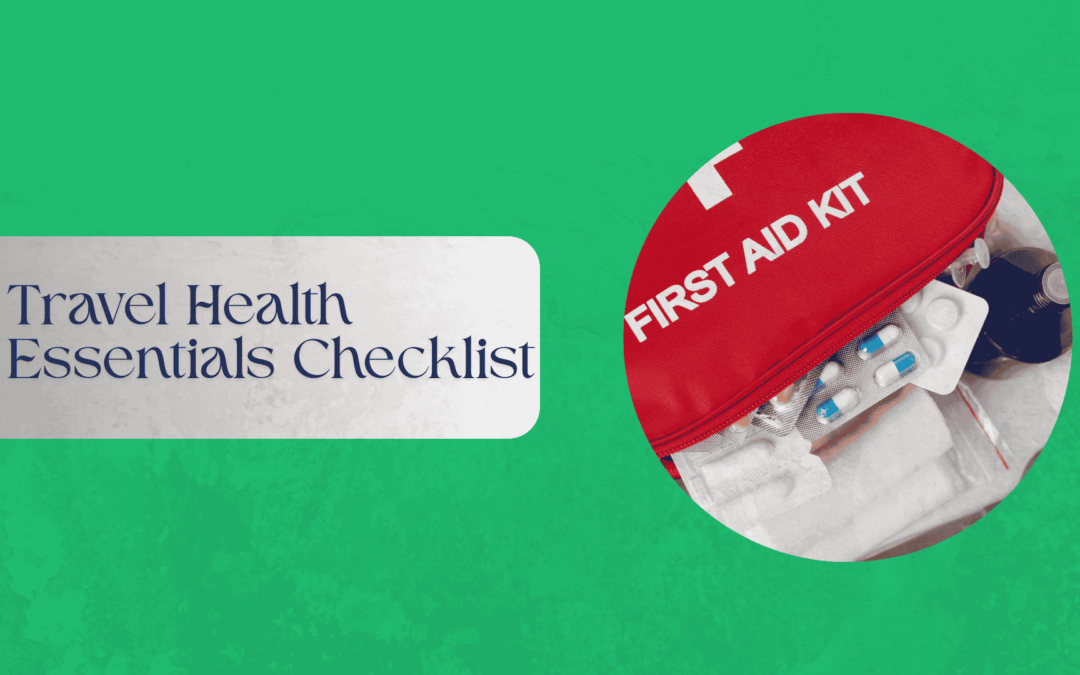
Packing a travel health kit is the first step toward ensuring you have everything you need during your trip. Include essential items like band-aids, pain relievers, and any prescriptions you take regularly. Don’t forget to pack a thermometer, disinfecting wipes, and motion sickness medication for unexpected situations.
Medications and Over-the-Counter Essentials
Be sure to bring along any medications that you’ll need during your trip, including prescription and over-the-counter options. It’s a good idea to carry a copy of your prescriptions in case you need to refill any medications while abroad. Common over-the-counter medications to include are pain relievers, antihistamines, and digestive aids.
Preventive Health Measures While Travelling
Travelling exposes you to different environments, so taking preventive measures can save you from potential health issues. Always check if you need vaccinations before your trip and make sure you’re aware of any travel warnings. Using insect repellent, practising good hand hygiene, and staying hydrated are simple steps to protect your health on the go.
Dealing with Travel Ailments
From jet lag to mild stomach issues, there are a few common ailments you may encounter while travelling. Bring along remedies like electrolyte tablets and rehydration solutions to tackle dehydration, and make sure you pack something to address common digestive problems.
Safety and Hygiene Tips for Travelers
Good hygiene is crucial for staying healthy, especially when travelling in unfamiliar areas. Carry hand sanitisers and disinfectant wipes, and make sure to wash your hands regularly. Be mindful of food and water safety and always opt for bottled water if you’re in a region where tap water isn’t safe to drink.
Health Tips for Long-Distance Flights
Long-haul flights can be tough on your health. To reduce the risk of deep vein thrombosis (DVT), get up and stretch regularly, stay hydrated, and wear comfortable clothing. Carry an eye mask, earplugs, and a neck pillow for better rest during your flight.
Health Insurance and Emergency Support
Before leaving, make sure you have appropriate travel health insurance. This can cover you in case of emergencies like illness or injury. Know the emergency numbers for the country you’re visiting and have the contact details of a local hospital or clinic on hand.
Stay Safe and Prepared on Your Travels
Staying healthy while travelling doesn’t have to be difficult. By preparing ahead with the right health essentials and taking preventive measures, you can ensure a safer and more enjoyable trip. Always pack your health kit, stay informed, and follow local health guidelines to avoid any potential issues.
Frequently Asked Questions (FAQ)
- Q1: Should I get travel vaccinations before my trip?
A1: It’s highly recommended to check the vaccination requirements for the country you’re visiting. You can consult your doctor or refer to the Australian government’s travel health advice to ensure you’re protected.
Disclaimer: This content is for general informational purposes only and is not intended as medical or professional advice. Always seek the guidance of a qualified professional regarding any questions about personal well-being or products.