Table of Contents
- Introduction
- What to Look for on Beauty Product Labels
- Understanding Ingredients: What Does it Mean for You?
- How to Identify Misleading Claims on Labels
- Consumer Rights: What You Need to Know
- How to Make Informed Choices
- The Role of Regulatory Bodies in Labelling
- Tips for Reading Labels Effectively
- Common Labelling Pitfalls to Avoid
- Conclusion
- Frequently Asked Questions (FAQ)
Introduction
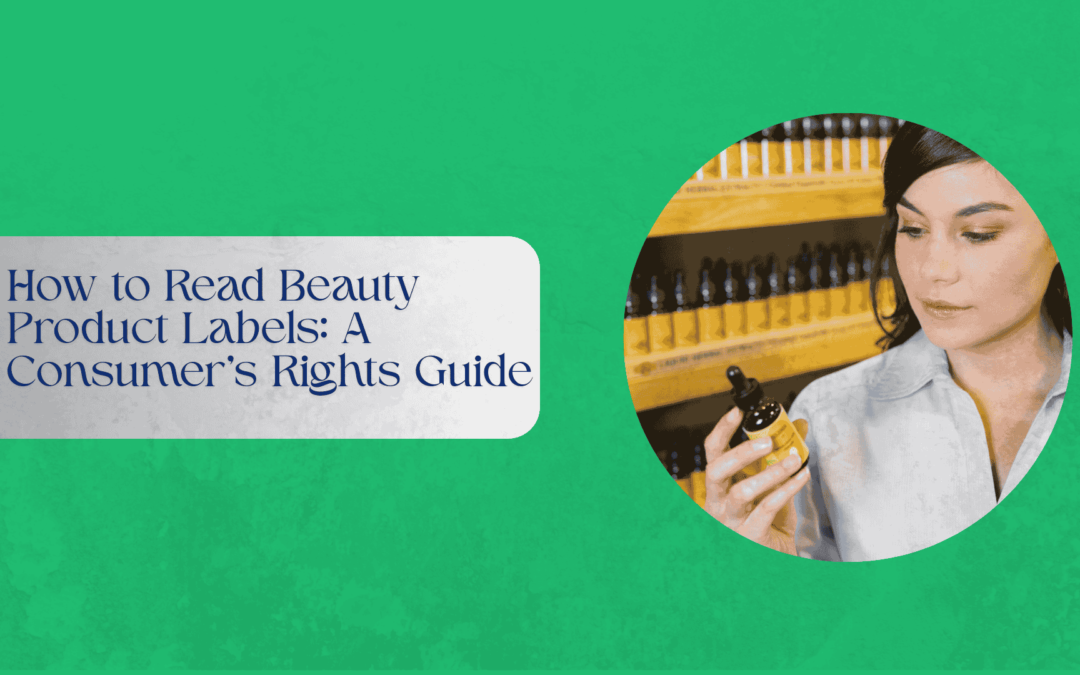
When shopping for beauty products, knowing how to read product labels is crucial for making informed decisions. In Australia, consumers have the right to access clear and accurate information about the products they purchase, ensuring they can make choices that align with their personal needs and preferences. This guide will explain how to decode beauty product labels, focusing on key ingredients, claims, and the regulations that protect consumers.
For more tips on beauty products, check out our Beauty Product Education page.
For official guidance on product labelling, visit the Australian Government’s Consumer Protection website.
What to Look for on Beauty Product Labels
Beauty product labels are your first clue to understanding what’s inside. Look for product name, ingredient list, usage instructions, and expiration date. Ingredients are listed in descending order by weight, so the first ingredients are the most prominent. Regulatory requirements ensure that all beauty products must display certain information on their labels, such as active ingredients, allergy warnings, and any necessary precautions.
For more information, explore our Beauty Product Education category.
Understanding Ingredients: What Does it Mean for You?
Ingredients in beauty products are critical for identifying what the product will do for your skin. Some ingredients may be beneficial, while others could potentially cause allergic reactions. Common ingredients like parabens or sulphates are often highlighted, but it’s important to know how each ingredient works. Understanding the terminology and scientific names can help you avoid harmful substances or select products that align with your skin care goals.
Learn more about ingredient transparency in our Beauty Product Education section.
How to Identify Misleading Claims on Labels
Some beauty product labels can be misleading, with terms like “natural,” “organic,” or “hypoallergenic” used in ways that don’t always reflect the truth. Consumers should be aware that these terms are not always regulated, so it’s important to verify them through trusted sources. Always check ingredient lists and certifications to back up such claims.
For authoritative consumer rights information, refer to the Australian Competition and Consumer Commission (ACCC).
Consumer Rights: What You Need to Know
As a consumer in Australia, you have the right to transparent information about the products you purchase. The Australian Consumer Law ensures that products are labelled honestly and fairly, giving you the power to make informed choices. If a product fails to meet these standards, you may be entitled to a refund or replacement.
Find more consumer rights guidance on Consumer Protection Australia’s website.
How to Make Informed Choices
To make informed decisions, research the products you’re interested in. Always read the label carefully and understand what each ingredient does. Consulting with trusted resources, including regulatory bodies, can further guide you in selecting products that are both safe and effective for your skin.
The Role of Regulatory Bodies in Labelling
Regulatory bodies, such as the Therapeutic Goods Administration (TGA), play a key role in ensuring beauty products meet safety and labelling standards in Australia. They set guidelines for manufacturers and hold them accountable for the accuracy of the information provided to consumers.
Tips for Reading Labels Effectively
To get the most out of beauty product labels, focus on key sections like ingredients, warnings, and certifications. Look out for third-party seals of approval like cruelty-free, organic, or dermatologically tested. Don’t be fooled by catchy phrases or buzzwords; focus on the actual content that can affect your skin’s health.
Common Labelling Pitfalls to Avoid
Consumers often overlook misleading marketing phrases such as “paraben-free” or “100% natural,” which may not be regulated. Avoid these traps by focusing on concrete facts, such as certifications and ingredient breakdowns. Always take the time to verify claims with independent resources.
Conclusion
Reading beauty product labels is an essential skill for any informed consumer. By understanding the key elements on a product label, you can make better decisions, avoid misleading claims, and protect your skin from unnecessary harm. Remember, you have the right to clear, truthful information when purchasing beauty products.
Explore our Beauty Product Education for more detailed information on beauty ingredients and consumer rights.
Frequently Asked Questions (FAQ)
- Q: What does “hypoallergenic” mean on beauty product labels?
A: “Hypoallergenic” generally means the product is less likely to cause allergic reactions, but it’s not a guarantee. Always check the ingredient list if you have known sensitivities.
Mandatory Disclaimer
“This content is for general informational purposes only and is not intended as medical or professional advice. Always seek the guidance of a qualified professional regarding any questions about personal wellbeing or products.”