by iamrolanddiaz | Dec 24, 2025 | Advocacy
Table Of Content
- Introduction
- Understanding Sun Damage
- The Importance of Daily Sun Protection
- Choosing the Right Sunscreen for Daily Use
- Conclusion
- Frequently Asked Questions (FAQ)
Introduction
Sun exposure is a significant environmental factor affecting skin health. Prolonged exposure to the sun can lead to a variety of harmful effects, including premature aging and increased risk of skin cancers. While enjoying the outdoors is essential for overall well-being, it is crucial to understand how sun damage occurs and why daily sun protection is essential for maintaining healthy skin. In this blog, we’ll explore the risks associated with sun damage and why applying sun protection regularly is an effective strategy for safeguarding your skin’s health.
Understanding Sun Damage
Sun damage occurs when the skin is exposed to harmful UV rays from the sun. These rays can penetrate the skin and cause both short-term and long-term damage, including sunburn, skin aging, and even skin cancer. Over time, repetitive sun exposure without adequate protection can lead to the breakdown of collagen, leading to premature aging. Understanding the risks of sun damage and its cumulative effect on the skin is crucial in choosing effective protection strategies.
The Importance of Daily Sun Protection
Using daily sun protection is one of the most effective ways to minimise the risks of sun damage. Even on cloudy days or indoors, UV rays can still affect your skin, making it essential to incorporate sun protection into your daily skincare routine. Daily use of sunscreen not only helps protect against immediate sunburn but also reduces the long-term risks of skin aging and cancer. Regular application ensures your skin is continuously shielded from harmful UV radiation, supporting healthier, more resilient skin over time.
Choosing the Right Sunscreen for Daily Use
Selecting the right sunscreen can be overwhelming, but understanding your skin’s needs and the level of protection required can make the process simpler. Broad-spectrum sunscreens that protect against both UVA and UVB rays are ideal for daily use. Choose products with an SPF of 30 or higher for optimal protection. It’s important to reapply sunscreen every two hours when outdoors, especially if sweating or swimming. Some sunscreens also offer additional benefits, such as moisturising properties or anti-aging ingredients.
Conclusion
Protecting your skin from sun damage is not just a seasonal activity—it should be part of your daily routine. Consistent use of sun protection reduces the risk of skin aging and skin cancer, while promoting healthier skin overall. Whether you are spending a day at the beach or simply going about your daily activities, remember to apply sunscreen to ensure you are safeguarding your skin. Start incorporating daily sun protection into your routine today for long-term skin health.
Frequently Asked Questions (FAQ)
Q1: How often should I reapply sunscreen?
A1: Sunscreen should be reapplied every two hours, or more often if swimming or sweating. Choose a broad-spectrum sunscreen with SPF 30 or higher for best results.
Mandatory Disclaimer
“This content is for general informational purposes only and is not intended as medical or professional advice. Always seek the guidance of a qualified professional regarding any questions about personal well-being or products.”
by iamrolanddiaz | Dec 24, 2025 | Advocacy
Table of Contents
- Travel Health Essentials
- Packing Your Travel Health Kit
- Medications and Over-the-Counter Essentials
- Preventive Health Measures While Travelling
- Dealing with Travel Ailments
- Safety and Hygiene Tips for Travelers
- Health Tips for Long-Distance Flights
- Health Insurance and Emergency Support
- Stay Safe and Prepared on Your Travels
- Frequently Asked Questions (FAQ)
Travel Health Essentials
When you’re planning a trip, ensuring you’re prepared for any health concerns is as important as packing your clothes. A well-stocked travel health kit can help you stay comfortable, safe, and healthy while on the move. Whether you’re travelling for business or pleasure, it’s essential to have the right medications and first aid supplies on hand. In this checklist, we’ll walk you through everything you need to keep your health in check while exploring new places.
Packing Your Travel Health Kit
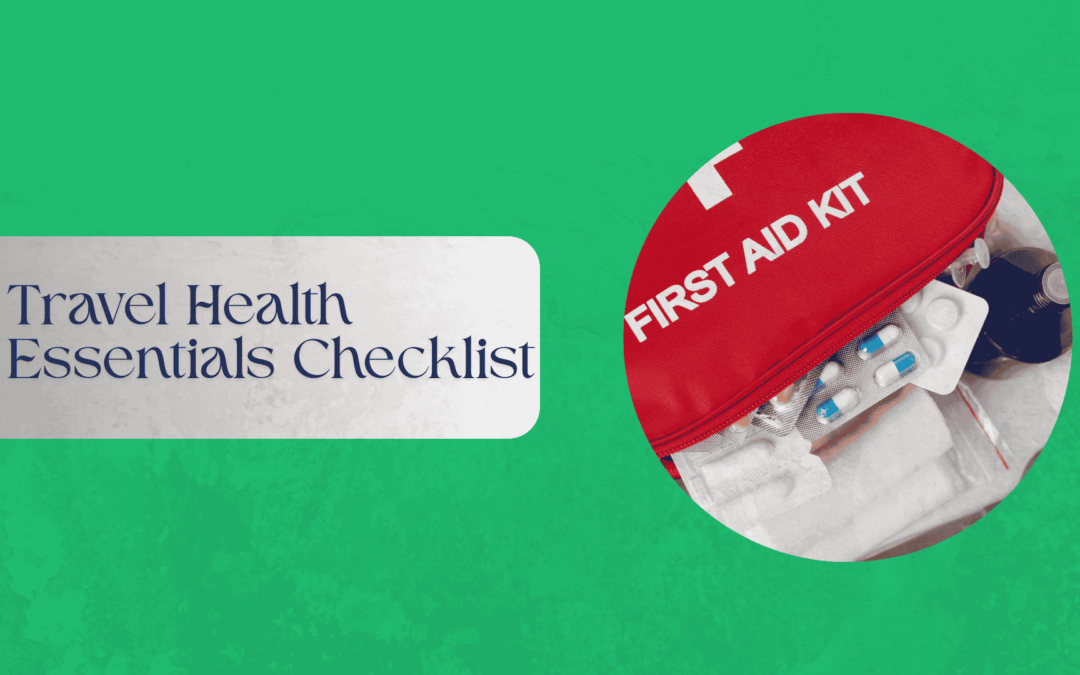
Packing a travel health kit is the first step toward ensuring you have everything you need during your trip. Include essential items like band-aids, pain relievers, and any prescriptions you take regularly. Don’t forget to pack a thermometer, disinfecting wipes, and motion sickness medication for unexpected situations.
Medications and Over-the-Counter Essentials
Be sure to bring along any medications that you’ll need during your trip, including prescription and over-the-counter options. It’s a good idea to carry a copy of your prescriptions in case you need to refill any medications while abroad. Common over-the-counter medications to include are pain relievers, antihistamines, and digestive aids.
Preventive Health Measures While Travelling
Travelling exposes you to different environments, so taking preventive measures can save you from potential health issues. Always check if you need vaccinations before your trip and make sure you’re aware of any travel warnings. Using insect repellent, practising good hand hygiene, and staying hydrated are simple steps to protect your health on the go.
Dealing with Travel Ailments
From jet lag to mild stomach issues, there are a few common ailments you may encounter while travelling. Bring along remedies like electrolyte tablets and rehydration solutions to tackle dehydration, and make sure you pack something to address common digestive problems.
Safety and Hygiene Tips for Travelers
Good hygiene is crucial for staying healthy, especially when travelling in unfamiliar areas. Carry hand sanitisers and disinfectant wipes, and make sure to wash your hands regularly. Be mindful of food and water safety and always opt for bottled water if you’re in a region where tap water isn’t safe to drink.
Health Tips for Long-Distance Flights
Long-haul flights can be tough on your health. To reduce the risk of deep vein thrombosis (DVT), get up and stretch regularly, stay hydrated, and wear comfortable clothing. Carry an eye mask, earplugs, and a neck pillow for better rest during your flight.
Health Insurance and Emergency Support
Before leaving, make sure you have appropriate travel health insurance. This can cover you in case of emergencies like illness or injury. Know the emergency numbers for the country you’re visiting and have the contact details of a local hospital or clinic on hand.
Stay Safe and Prepared on Your Travels
Staying healthy while travelling doesn’t have to be difficult. By preparing ahead with the right health essentials and taking preventive measures, you can ensure a safer and more enjoyable trip. Always pack your health kit, stay informed, and follow local health guidelines to avoid any potential issues.
Frequently Asked Questions (FAQ)
- Q1: Should I get travel vaccinations before my trip?
A1: It’s highly recommended to check the vaccination requirements for the country you’re visiting. You can consult your doctor or refer to the Australian government’s travel health advice to ensure you’re protected.
Disclaimer: This content is for general informational purposes only and is not intended as medical or professional advice. Always seek the guidance of a qualified professional regarding any questions about personal well-being or products.
by iamrolanddiaz | Dec 24, 2025 | Advocacy
Table of Content
- Introduction
- The Importance of Being Prepared
- The First Aid Kit That Saved the Day
- How Quick Action Made a Difference
- Staying Calm and Safe in Emergency Situations
- Why You Should Always Pack a First Aid Kit
- Conclusion
- Frequently Asked Questions (FAQ)
Introduction
Holidays are meant for relaxation and fun, but even a minor injury can quickly turn an enjoyable trip into a stressful situation. This was the reality for one of our customers, who experienced a small but painful injury during their holiday. Fortunately, with the right tools and preparation, their holiday didn’t have to be ruined. In this blog, we share how having a well-stocked first aid kit made all the difference and helped our customer continue enjoying their holiday.
The Importance of Being Prepared
Preparation is key when it comes to staying safe during your holiday adventures. Whether you’re heading on a nature hike or simply relaxing at a beach resort, injuries can happen unexpectedly. A minor cut, a sprain, or a burn can quickly escalate if not treated immediately. That’s why keeping a first aid kit on hand is crucial for every traveler.
The First Aid Kit That Saved the Day
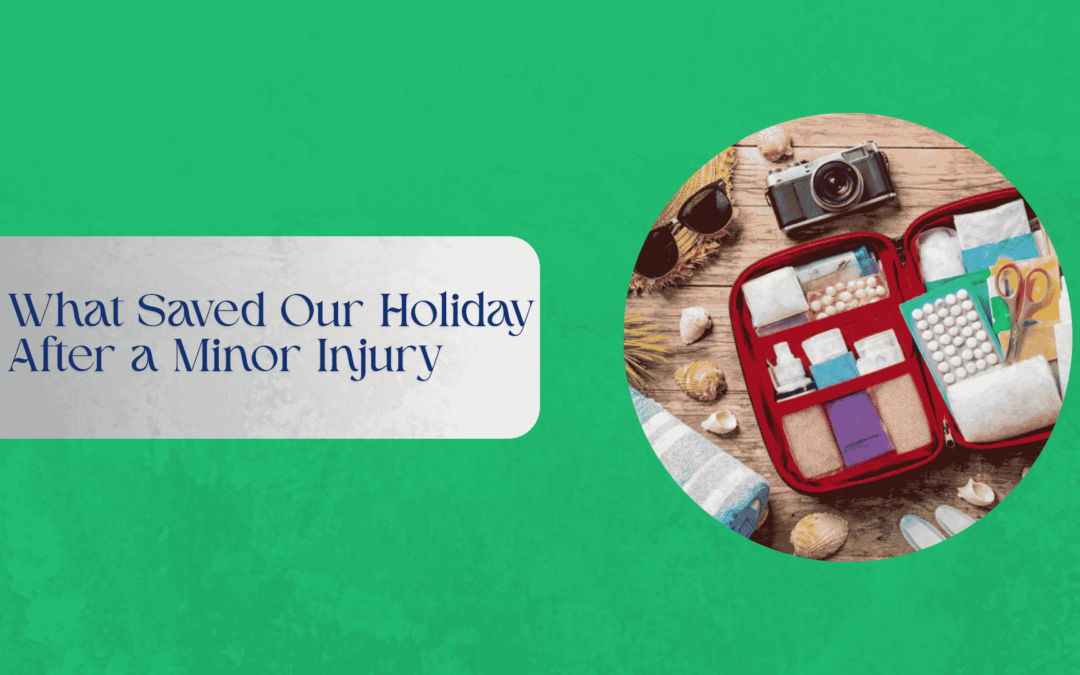
When the minor injury occurred, having a comprehensive first aid kit on hand was a lifesaver. Our customer reached for their First Aid Essentials kit, which contained everything needed for immediate care. From antiseptic wipes to bandages and pain relief, the kit provided the necessary tools to address the injury and prevent any further complications.
How Quick Action Made a Difference
Swift action after an injury is vital for preventing further harm. By using the first aid kit immediately, our customer was able to clean and dress the wound, minimizing the risk of infection and alleviating discomfort. Timely care not only helped with physical healing but also allowed them to continue enjoying the holiday.
Staying Calm and Safe in Emergency Situations
In any emergency situation, staying calm and composed is just as important as applying the correct treatment. Our customer remained calm, knowing they had the right tools at hand. They were able to assess the situation and make quick decisions that ultimately ensured a smooth recovery process.
Why You Should Always Pack a First Aid Kit
Traveling without a first aid kit is like leaving home without your phone or wallet—it’s just not worth the risk. A first aid kit provides peace of mind and ensures that you’re ready for any unexpected situation. The First Aid Essentials range includes everything from basic supplies to more comprehensive kits for more serious incidents.
Conclusion
In the end, the injury didn’t ruin our customer’s holiday, thanks to their foresight in packing a first aid kit. It serves as a reminder of how crucial it is to be prepared, no matter how minor the injury may seem. Don’t let an unexpected situation ruin your time away—make sure your first aid kit is part of your travel essentials.
Frequently Asked Questions (FAQ)
- Q: What should I include in my first aid kit for travel?
A: A basic first aid kit should include bandages, antiseptic wipes, pain relievers, tweezers, and scissors. For extended trips or more adventurous holidays, consider adding items like a cold compress, burn gel, or splints.
Disclaimer
This content is for general informational purposes only and is not intended as medical or professional advice. Always seek the guidance of a qualified professional regarding any questions about personal wellbeing or products.
by iamrolanddiaz | Dec 24, 2025 | Advocacy
Table of Contents
- Introduction
- Why Every Camper Needs a First Aid Kit
- First Aid Kits for Travel: Essential for Safe Journeys
- Home First Aid Kits: Preparing for Everyday Accidents
- Key Components of a Well-Stocked First Aid Kit
- How to Choose the Right First Aid Kit for Your Needs
- The Importance of Regularly Checking Your First Aid Kit
- Tips for Using Your First Aid Kit in an Emergency
- Storing Your First Aid Kit Safely
- Conclusion
Introduction
First aid kits are essential tools that can make a significant difference in emergency situations, whether you’re at home, traveling, or exploring the great outdoors. These kits help address injuries and ailments before professional medical help arrives. In this guide, we’ll explore the importance of first aid kits for different scenarios, from camping trips to home use, and provide tips on how to keep them well-stocked and ready for any emergency.
Why Every Camper Needs a First Aid Kit
When you’re out in nature, far from medical assistance, having a first aid kit on hand is a must. From insect stings to sprained ankles, a well-equipped kit can help you manage common injuries, keeping you safe until you can reach professional help. It’s essential to choose a kit designed for outdoor activities, including items like blister pads and burn treatments, which are especially useful for campers.
First Aid Kits for Travel: Essential for Safe Journeys
Traveling, whether locally or internationally, presents its own set of challenges. You may encounter new environments, unfamiliar food, or even extreme temperatures that can lead to various health issues. A first aid kit tailored for travel is essential for quick treatment of cuts, burns, allergic reactions, or digestive issues, helping you stay safe while on the move.
Home First Aid Kits: Preparing for Everyday Accidents
Accidents can happen at home—whether it’s a kitchen burn or a fall in the yard. Having a comprehensive first aid kit in your home ensures you’re prepared to address minor injuries or manage symptoms until help arrives. Your home kit should contain basic supplies such as bandages, antiseptics, and over-the-counter medications.
Key Components of a Well-Stocked First Aid Kit
A well-stocked first aid kit includes various supplies to handle a wide range of minor injuries. Essential components include:
How to Choose the Right First Aid Kit for Your Needs
Not all first aid kits are created equal. It’s essential to choose one based on the environment and activities you’ll be engaged in. Consider factors such as the number of people, the nature of the trip, and the types of injuries you may encounter. For example, a camping first aid kit will differ significantly from a travel-specific kit.
The Importance of Regularly Checking Your First Aid Kit
It’s crucial to check your first aid kit regularly to ensure that supplies are not expired or used up. Items like antiseptic wipes, medications, and gauze can deteriorate over time. A quick inspection every few months ensures your kit is always ready when you need it.
Tips for Using Your First Aid Kit in an Emergency
Knowing how to properly use the items in your first aid kit is just as important as having one. Always read the instructions that come with each product and familiarize yourself with common emergency procedures like CPR, wound care, and splinting. This preparation can help you act swiftly and confidently when necessary.
Storing Your First Aid Kit Safely
Storing your first aid kit in a safe, easily accessible location is critical. Ensure that it is in a cool, dry place, away from children and pets. It should also be placed in an area where it can be accessed quickly in case of an emergency.
Conclusion
A first aid kit is a vital safety tool for any home, camping trip, or travel adventure. By ensuring your kit is well-stocked, regularly maintained, and stored safely, you can handle emergencies effectively and minimize the risk of injury or illness. Whether you’re a seasoned adventurer or someone simply preparing for daily life, a first aid kit is a must-have.
Mandatory Disclaimer:
This content is for general informational purposes only and is not intended as medical or professional advice. Always seek the guidance of a qualified professional regarding any questions about personal wellbeing or products.
by iamrolanddiaz | Dec 24, 2025 | Advocacy
Table of Contents
- Introduction
- Why Preparation is Key for Healthy Travels
- Common Travel Health Issues and How to Avoid Them
- The Importance of Staying Hydrated on the Go
- Packing Your Travel Health Kit: What You Need
- How to Stay Healthy During Flights
- Managing Jet Lag and Sleep While Travelling
- Nutrition and Healthy Eating Tips on the Road
- Maintaining Hygiene and Preventing Illness
- Conclusion
Introduction
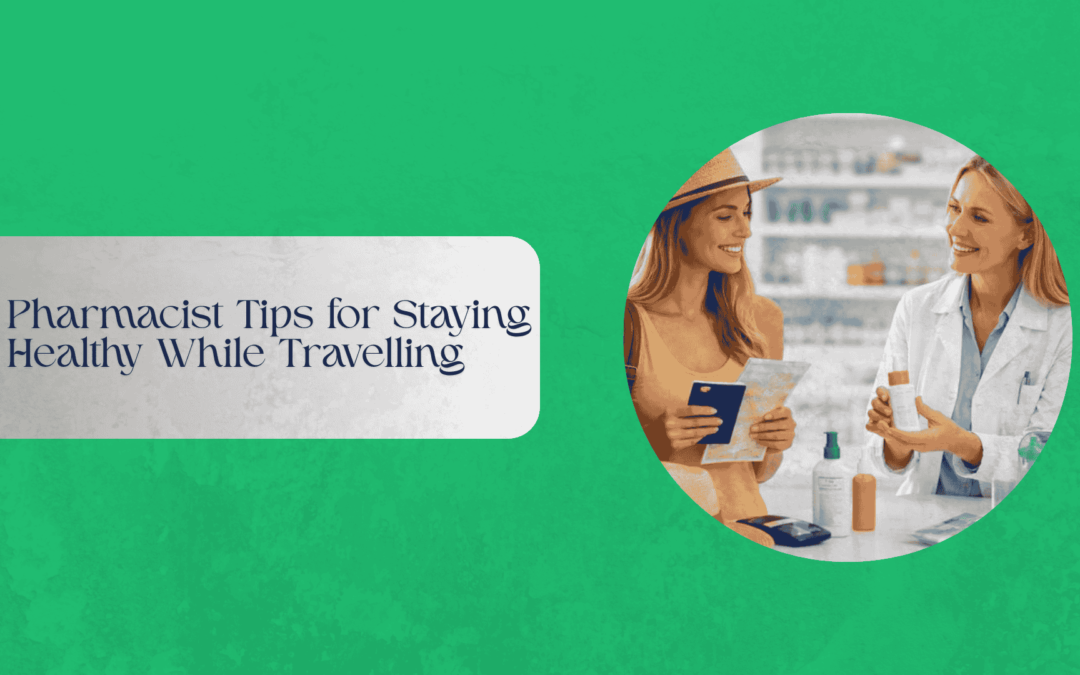
Travelling is an exciting adventure, but it can sometimes take a toll on your health. Whether it’s long flights, unfamiliar food, or changes in routine, being away from home can challenge your wellbeing. In this guide, we’ve compiled pharmacist-approved tips to help you stay healthy while on the move. Discover practical tips to prepare for your travels and stay in peak condition throughout your journey.
Why Preparation is Key for Healthy Travels
Before embarking on your trip, preparation is essential for maintaining your health. A bit of planning can help you avoid many common travel-related health issues. Packing the right medications, knowing where to find healthcare assistance, and staying informed about any health risks in your destination will go a long way.
Common Travel Health Issues and How to Avoid Them
From dehydration to travel sickness, there are several health issues that often arise during travel. Learn how to minimize the risks of these common conditions by adopting preventative measures before and during your trip.
The Importance of Staying Hydrated on the Go
Hydration is often overlooked when travelling, but it’s one of the most important factors in staying healthy. Traveling through hot climates or long-haul flights can easily lead to dehydration. Learn how to stay hydrated with simple strategies, including recommended electrolyte solutions and hydration products.
Packing Your Travel Health Kit: What You Need
Packing the right health essentials is crucial for ensuring a smooth and healthy trip. Find out what should be in your travel health kit, from basic medications to first aid supplies.
How to Stay Healthy During Flights
Flying can be a breeding ground for germs, and sitting for long periods can affect your circulation. Discover tips for staying healthy during flights, including exercise routines, hydration advice, and practical hygiene tips to prevent illness.
Managing Jet Lag and Sleep While Travelling
Jet lag can disrupt your body’s internal clock, leading to fatigue and confusion. Learn effective tips for minimizing jet lag and improving sleep quality, so you feel energized throughout your travels.
Nutrition and Healthy Eating Tips on the Road
Eating healthy while travelling can be a challenge, especially with the temptation of fast food and snacks. Find out how to maintain a balanced diet on the go with easy-to-follow tips for meal planning and healthy eating.
Maintaining Hygiene and Preventing Illness
Good hygiene is essential for preventing illness when travelling. From washing your hands to cleaning your travel accessories, learn how to keep yourself germ-free while exploring new places.
Conclusion
Staying healthy while travelling doesn’t require complicated solutions, just a bit of preparation and mindfulness. By packing the right essentials, maintaining hydration, getting proper sleep, and staying hygienic, you can ensure that your travel experience is enjoyable and health-conscious.
Frequently Asked Questions (FAQs)
- Q: What are the most important items to include in my travel health kit?
A: Essential items include medications, hand sanitizers, basic first aid supplies, sunscreen, and any necessary prescriptions. Always consult your pharmacist for personalized advice.
- Travel Health Essentials
- Pharmacy Direct Health Kit Tips
Mandatory Disclaimer
“This content is for general informational purposes only and is not intended as medical or professional advice. Always seek the guidance of a qualified professional regarding any questions about personal wellbeing or products.”
by iamrolanddiaz | Dec 24, 2025 | Advocacy
Table of Contents
- Introduction
- Why Hydration is Important in Summer.
- Key Features of Best-Selling Hydration Products.
- Top Hydration Products to Try This Summer.
- How to Choose the Right Hydration Product for You.
- Benefits of Staying Hydrated During Hot Weather.
- The Role of Electrolytes in Hydration.
- How to Use Hydration Products Effectively.
- Customer Favourites: Best-Selling Hydration Products This Season.
- Conclusion
Introduction
Provide an overview of why hydration is crucial during the summer, emphasising the hotter weather and increased physical activity. Mention how dehydration can negatively affect energy levels and overall well-being. Link to an internal page about Best-Selling Hydration and an external, authoritative source about hydration.
Why Hydration is Important in Summer
Discuss the impact of summer heat on the body and why staying hydrated is essential. Include general advice on maintaining hydration. Internal link: Hydration product range. An authoritative source on hydration needs.
Key Features of Best-Selling Hydration Products
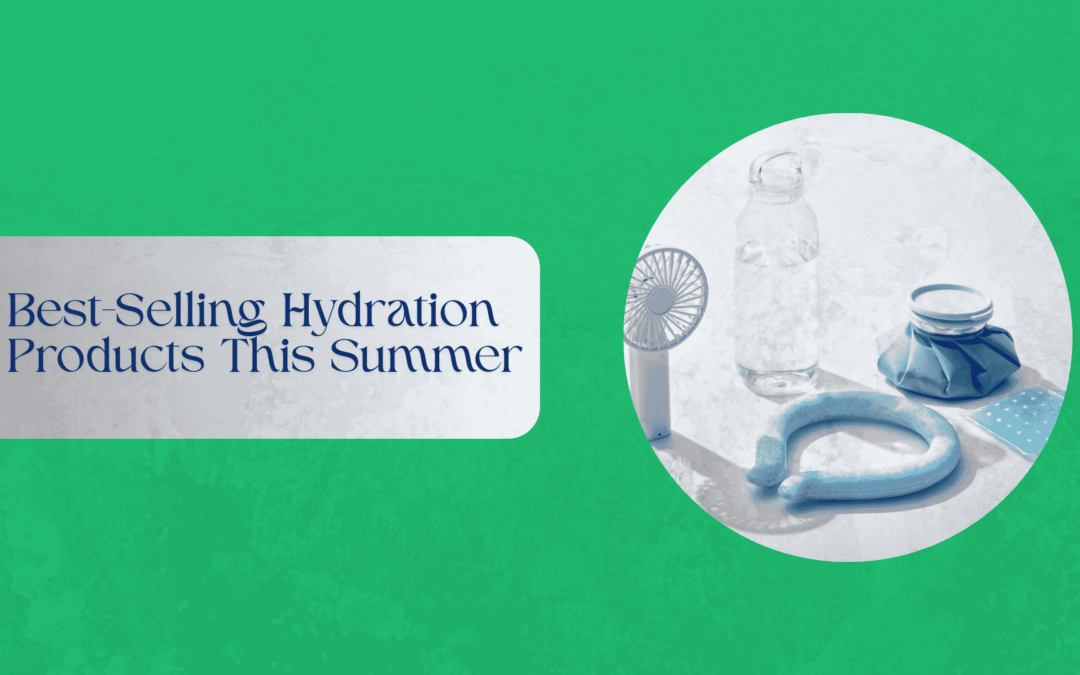
Highlight the essential qualities of popular hydration products: quick absorption, long-lasting hydration, and ease of use. Mention popular formats such as powders, drinks, and tablets. Include neutral internal links to relevant product categories and external links to expert reviews.
Top Hydration Products to Try This Summer
List popular hydration products that are trending this summer, focusing on their benefits, customer reviews, and features. Make sure to provide neutral descriptions with no claims about health outcomes. Internal link: Product category or individual hydration product page. Expert or government recommendation.
How to Choose the Right Hydration Product for You
Guide readers on selecting the best product based on factors such as activity level, taste preferences, and convenience. Discuss different hydration needs for various activities. Hydration product options. An external expert source on hydration.
Benefits of Staying Hydrated During Hot Weather
Focus on the overall benefits of hydration in hot climates—improved energy, better focus, and reduced fatigue. Refrain from any health outcome claims but offer general tips. Hydration product benefits. Government or health authority’s take on the benefits of hydration.
The Role of Electrolytes in Hydration
Discuss the importance of electrolytes in hydration, especially in extreme heat. Mention how electrolytes help in balancing water levels. Hydration product range. Scientific or health-based article on electrolytes.
How to Use Hydration Products Effectively
Provide practical tips on using hydration products, such as when and how to take them for maximum benefit. Related product category. A health expert’s advice on electrolyte consumption.
Customer Favourites: Best-Selling Hydration Products This Season
Present a neutral, engaging look at the top-selling hydration products, based on customer reviews and sales data. Avoid making any health claims. Best-selling hydration page. Customer testimonials or reviews.
Conclusion
Summarise the key points about hydration during summer, emphasising how these products can help maintain hydration. Include up to two neutral calls to action to purchase or explore the Best-Selling Hydration products. Product page or category. Further reading on hydration.
Frequently Asked Questions (FAQs)
Provide neutral Q&As related to hydration, such as:
- Q: How often should I hydrate during the summer?
- A: It’s important to hydrate regularly throughout the day, especially if you’re active. Aim for at least 8 cups of water, but this may vary based on activity and heat.
- Hydration product page.
- Authoritative resource on hydration.
Mandatory Disclaimer
“This content is for general informational purposes only and is not intended as medical or professional advice. Always seek the guidance of a qualified professional regarding any questions about personal wellbeing or products.”