by iamrolanddiaz | Nov 30, 2025 | Advocacy
Table of Contents
- Introduction
- Understanding Gut Health – What is Gut Health?
- How Gut Health Affects Energy Levels – The Connection Between Gut and Energy
- Gut Health and the Immune System – The Role of Gut in Immunity
- The Impact of Diet on Gut Health – Foods that Promote a Healthy Gut
- Lifestyle Factors Affecting Gut Health – Exercise, Sleep, and Stress
- Signs of Poor Gut Health – How to Recognise the Symptoms
- How to Improve Gut Health Naturally – Tips for Enhancing Gut Health
- Gut Health and Mental Wellbeing – The Mind-Gut Connection
- Summarising the Importance of Gut Health
- Frequently Asked Questions (FAQ)
Introduction
Gut health plays a crucial role in maintaining overall well-being, particularly in how we feel day-to-day. A balanced gut can help support healthy energy levels and a robust immune system, whereas poor gut health can lead to fatigue and an increased susceptibility to illnesses. In this article, we will explore how your gut influences both your energy levels and immunity.
Understanding Gut Health
Gut health refers to the balance and functionality of the gut microbiome, the community of microorganisms that live in your digestive tract. These microorganisms play a vital role in breaking down food, absorbing nutrients, and supporting the immune system.
How Gut Health Affects Energy Levels
A healthy gut helps break down food into nutrients, which are then absorbed to provide the body with energy. When gut health is compromised, nutrient absorption can be hindered, leading to fatigue and low energy. Additionally, imbalances in gut bacteria can affect energy production at the cellular level.
Gut Health and the Immune System
Around 70% of the immune system is located in the gut, which is why gut health is closely linked to immune function. A balanced microbiome helps the immune system differentiate between harmful pathogens and beneficial bacteria. Disruptions in gut health can lead to inflammation, making it harder for the body to fight off infections.
The Impact of Diet on Gut Health
What you eat directly affects the balance of bacteria in your gut. Diets rich in fibre, fermented foods, and prebiotics support a healthy microbiome. On the other hand, diets high in processed foods and sugar can disrupt gut bacteria, negatively impacting energy and immunity.
Lifestyle Factors Affecting Gut Health
In addition to diet, lifestyle factors such as exercise, sleep, and stress management are essential for maintaining a healthy gut. Regular physical activity helps promote a diverse microbiome, while adequate sleep and stress reduction are vital for gut repair and inflammation reduction.
Signs of Poor Gut Health
There are several signs that your gut health might not be optimal, including digestive discomfort, fatigue, skin issues, and frequent illness. Understanding these symptoms can help you take proactive steps to improve your gut health.
How to Improve Gut Health Naturally
Improving gut health naturally can be achieved through dietary changes, probiotic and prebiotic foods, regular exercise, and managing stress. A few lifestyle changes can help restore the balance of your gut microbiome and boost your overall health.
Gut Health and Mental Wellbeing
The gut-brain axis is a direct link between your digestive system and your brain. Poor gut health can contribute to mental health issues like anxiety and depression. Supporting gut health may also benefit mental well-being by improving mood and reducing stress.
Conclusion
Maintaining a healthy gut is vital for overall well-being, energy, and immunity. With the right diet, lifestyle changes, and stress management, you can support your gut and improve both your physical and mental health. If you’re looking to enhance your gut health, consider incorporating more fibre-rich foods, probiotics, and regular physical activity into your routine.
Frequently Asked Questions (FAQ)
- Q: What are some foods that improve gut health?
A: Foods like yogurt, kefir, and fibre-rich vegetables can support a healthy gut microbiome.
Disclaimer
“This content is for general informational purposes only and is not intended as medical or professional advice. Always seek the guidance of a qualified professional regarding any questions about personal wellbeing or products.”

by iamrolanddiaz | Nov 30, 2025 | Advocacy
Table of Contents
- Introduction
- What is SPF and How Does It Work?
- Understanding Broad-Spectrum Protection
- What Does Water Resistance Mean in Sunscreens?
- Choosing the Right Sunscreen for Your Skin Type
- How to Apply Sunscreen Effectively
- The Importance of Reapplication
- Common Myths About Sunscreens
- Conclusion
- Frequently Asked Questions (FAQs)
Introduction
Sunscreen is an essential part of skincare, protecting us from harmful UV rays that can cause sunburn, premature aging, and even skin cancer. But with so many options available, it can be overwhelming to choose the right one. In this guide, we will break down the key features to look for in sunscreens—SPF (Sun Protection Factor), broad-spectrum protection, and water resistance. Understanding these factors will help you make informed decisions about your skin’s protection from the sun.
What is SPF and How Does It Work?
SPF, or Sun Protection Factor, is a measure of how well a sunscreen can protect your skin from UVB rays, the type of UV radiation primarily responsible for sunburn. For example, an SPF 30 sunscreen blocks about 97% of UVB rays, while SPF 50 blocks about 98%. However, SPF is not a linear scale, so higher SPF numbers do not offer much more protection. It’s essential to understand that SPF only refers to UVB protection, which means it doesn’t account for UVA rays.
Understanding Broad Spectrum Protection
Broad-spectrum sunscreens protect against both UVA and UVB rays. UVA rays penetrate deeper into the skin and are linked to premature aging and skin cancer, while UVB rays cause sunburn. A sunscreen labeled “broad spectrum” ensures that you are getting protection from both types of harmful UV radiation. It is recommended to choose broad-spectrum sunscreen for effective and complete skin protection.
What Does Water Resistance Mean in Sunscreens?
Water resistance is an important feature for sunscreens, especially if you’re swimming or sweating. A sunscreen that is labeled “water-resistant” means it will maintain its SPF protection for a certain amount of time after being exposed to water. However, it’s important to note that no sunscreen is entirely waterproof. Water resistance typically lasts either 40 or 80 minutes, depending on the product. Always reapply sunscreen after swimming or excessive sweating.
Choosing the Right Sunscreen for Your Skin Type
Choosing the right sunscreen depends on your skin type and needs. For sensitive skin, look for products labeled “hypoallergenic” or “for sensitive skin,” and those with physical blockers like zinc oxide. For oily skin, choose a lightweight, oil-free sunscreen, while dry skin can benefit from hydrating formulas. Be mindful of ingredients if you have skin concerns like acne or rosacea.
How to Apply Sunscreen Effectively
For maximum protection, sunscreen should be applied generously to all exposed skin areas, at least 15 minutes before sun exposure. The general rule of thumb is to use about a teaspoon for the face and a shot glass amount (around 30 mL) for the entire body. Reapply every two hours, or more frequently if swimming or sweating. Don’t forget to apply to areas often overlooked, such as the ears, neck, and back of the hands.
The Importance of Reapplication
Even if a sunscreen claims to be water-resistant, its effectiveness decreases over time due to sweat, towel drying, or swimming. Reapplying sunscreen every two hours is essential for maintaining optimal protection. Many people forget to reapply, which can lead to skin damage over time. Always keep a bottle of sunscreen with you for easy reapplication when spending long periods outdoors.
Common Myths About Sunscreens
There are several myths surrounding sunscreens that can lead to incorrect usage. One common myth is that high SPF sunscreens offer much better protection. In reality, SPF 30 and SPF 50 provide nearly the same level of UVB protection. Another myth is that sunscreen isn’t necessary on cloudy days. UV rays can penetrate through clouds, so sunscreen is still needed on overcast days.
Conclusion
Sunscreen is a vital tool in protecting your skin from the harmful effects of the sun. By understanding SPF, broad-spectrum protection, and water resistance, you can make an informed choice about which sunscreen is right for you. Remember to apply it generously, reapply often, and choose a sunscreen suitable for your skin type. Stay sun-safe and enjoy your time outdoors with the right protection.
Frequently Asked Questions (FAQs)
- What is the difference between SPF 30 and SPF 50?
SPF 30 blocks about 97% of UVB rays, while SPF 50 blocks about 98%. The difference in protection is minimal, so it’s more important to focus on reapplication and correct application.
- Can I use sunscreen only on sunny days?
No, UV rays can still harm your skin on cloudy days, so it’s important to wear sunscreen every day, regardless of weather conditions.

by iamrolanddiaz | Nov 30, 2025 | Advocacy
Table of Contents
- Introduction
- The Unexpected Heatwave — A Wake-Up Call
- How I Stayed Safe During the Heatwave
- The Importance of Staying Hydrated
- Recognising the Signs of Heat Exhaustion
- Preparing for Future Heatwaves
- Conclusion
Introduction
In this blog post, I share my personal experience with my first heatwave scare and what I learned from it. As the temperature soared, I quickly realised how unprepared I was for such extreme conditions. This experience taught me valuable lessons about heat safety, and I want to pass them on to you to ensure you’re prepared for future heatwaves.
The Unexpected Heatwave — A Wake-Up Call
It all started with an unexpected spike in temperature that caught me completely off guard. The signs of a heatwave were evident, but I never thought it would affect me directly. I found myself struggling to keep cool, realising that I didn’t have the right gear or knowledge to protect myself from the heat.
How I Stayed Safe During the Heatwave
Once I recognised the dangers of the extreme heat, I took immediate action to stay safe. I stayed indoors, used fans, and wore light clothing. However, I learned that even simple actions like these are not enough without proper hydration and ventilation.
The Importance of Staying Hydrated
During the heatwave, I realised how crucial it was to stay hydrated. I made sure to drink water regularly, but I also learned the importance of electrolytes for better hydration, especially during high temperatures.
Recognising the Signs of Heat Exhaustion
While I was managing the heat, I began to notice signs of heat exhaustion, like dizziness and excessive sweating. This experience taught me to recognise the symptoms early and take action before things get worse.
Preparing for Future Heatwaves
I now know that proper preparation is key when it comes to dealing with heatwaves. I’ve invested in heat safety essentials and have learned better ways to keep my environment cool. Being proactive about heat safety can prevent heat-related health issues in the future.
Conclusion
The heatwave scare was a wake-up call that taught me valuable lessons about staying safe in extreme heat. By recognising the signs of heat exhaustion, staying hydrated, and preparing properly, I am now better equipped for future heatwaves. I encourage everyone to take heat safety seriously and stay prepared.
Disclaimer
This content is for general informational purposes only and is not intended as medical or professional advice. Always seek the guidance of a qualified professional regarding any questions about personal well-being or products.
by iamrolanddiaz | Nov 30, 2025 | Advocacy
Table of Contents
- Understanding Extreme Heat in Australia
- How Heat Affects the Cardiovascular System
- The Impact of Heat on the Skin
- Dehydration and Electrolyte Imbalance
- Heat Exhaustion vs. Heat Stroke: Key Differences
- Vulnerable Groups: Who Is Most at Risk?
- Preventive Measures for Staying Safe in Extreme Heat
- Hydration Tips for Australian Summers
- How to Identify Heat-Related Illnesses
- Staying Safe in Hot Weather
Understanding Extreme Heat in Australia
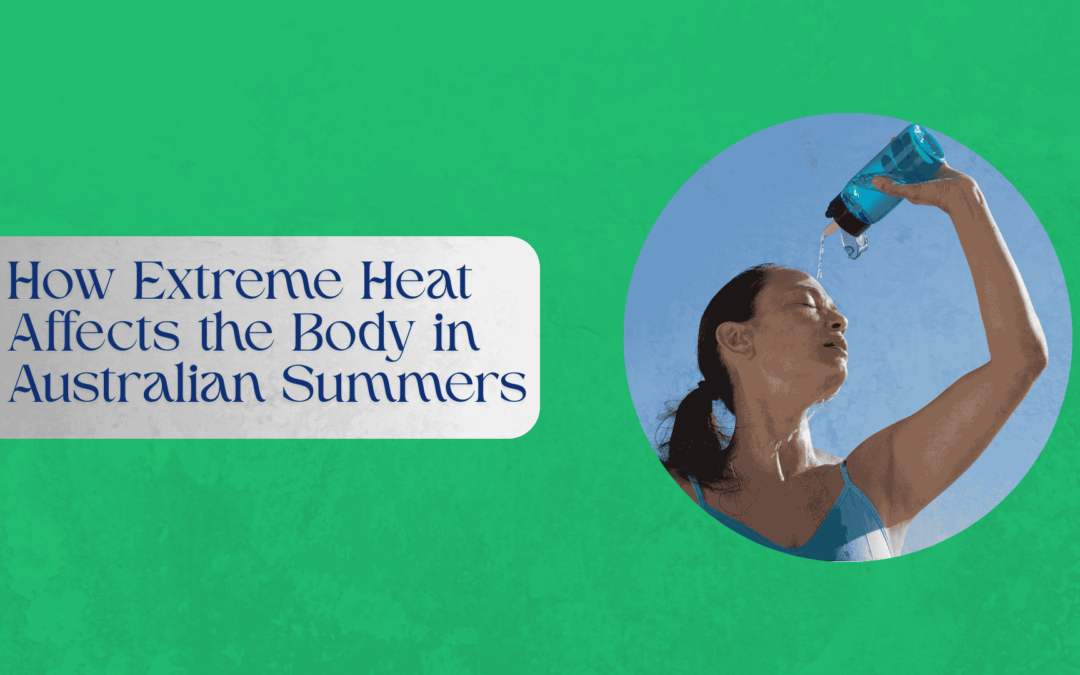
In Australia, summer temperatures can soar, with extreme heat events becoming more common due to climate change. Understanding how heat affects the body is crucial to staying safe. Heat can cause a range of health issues, from mild discomfort to serious conditions like heat stroke. In this article, we’ll explore how extreme heat impacts the body and offer tips on how to stay safe during the scorching summer months.
How Heat Affects the Cardiovascular System
Extreme heat causes the body to work harder to regulate its temperature. The heart pumps faster to help cool the body, which can strain the cardiovascular system, especially in people with heart conditions. This section discusses the mechanisms behind this process and the potential risks involved.
The Impact of Heat on the Skin
Prolonged exposure to extreme heat can damage the skin, leading to conditions such as sunburn, heat rashes, and premature aging. This section will explain how the skin reacts to extreme temperatures and how to protect it.
Dehydration and Electrolyte Imbalance
High temperatures increase sweating, which can lead to dehydration and an imbalance of electrolytes, essential for proper muscle and nerve function. Here we explore the importance of staying hydrated and maintaining electrolyte balance during extreme heat.
Heat Exhaustion vs. Heat Stroke: Key Differences
While both heat exhaustion and heat stroke are serious conditions, they have distinct symptoms and require different treatments. In this section, we clarify the differences between these two heat-related illnesses.
Vulnerable Groups: Who Is Most at Risk?
Certain groups of people, such as the elderly, children, and individuals with chronic illnesses, are more susceptible to the effects of extreme heat. This section covers the factors that make these groups more vulnerable and how to protect them.
Preventive Measures for Staying Safe in Extreme Heat
Preventing heat-related illnesses starts with proactive measures, including staying indoors during the hottest parts of the day and wearing appropriate clothing. This section offers practical tips for staying safe in extreme temperatures.
Hydration Tips for Australian Summers
Hydration is key to combating the effects of extreme heat. This section provides tips on how to stay hydrated during hot weather, including recommended fluid intake and the role of hydration products.
How to Identify Heat-Related Illnesses
Knowing the signs of heat-related illnesses can be life-saving. This section outlines the common symptoms of heat exhaustion, heat stroke, and dehydration, and provides guidance on when to seek medical help.
Staying Safe in Hot Weather
To wrap up, it’s essential to understand the risks posed by extreme heat and take the necessary precautions to protect your health. Staying hydrated, avoiding excessive sun exposure, and recognizing the signs of heat-related illnesses are key strategies for staying safe during Australia’s hot summer months.
by iamrolanddiaz | Nov 30, 2025 | Advocacy
Table of Contents
- Introduction
- What to Look for on Beauty Product Labels
- Understanding Ingredients: What Does it Mean for You?
- How to Identify Misleading Claims on Labels
- Consumer Rights: What You Need to Know
- How to Make Informed Choices
- The Role of Regulatory Bodies in Labelling
- Tips for Reading Labels Effectively
- Common Labelling Pitfalls to Avoid
- Conclusion
- Frequently Asked Questions (FAQ)
Introduction
When shopping for beauty products, knowing how to read product labels is crucial for making informed decisions. In Australia, consumers have the right to access clear and accurate information about the products they purchase, ensuring they can make choices that align with their personal needs and preferences. This guide will explain how to decode beauty product labels, focusing on key ingredients, claims, and the regulations that protect consumers.
For more tips on beauty products, check out our Beauty Product Education page.
For official guidance on product labelling, visit the Australian Government’s Consumer Protection website.
What to Look for on Beauty Product Labels
Beauty product labels are your first clue to understanding what’s inside. Look for product name, ingredient list, usage instructions, and expiration date. Ingredients are listed in descending order by weight, so the first ingredients are the most prominent. Regulatory requirements ensure that all beauty products must display certain information on their labels, such as active ingredients, allergy warnings, and any necessary precautions.
For more information, explore our Beauty Product Education category.
Understanding Ingredients: What Does it Mean for You?
Ingredients in beauty products are critical for identifying what the product will do for your skin. Some ingredients may be beneficial, while others could potentially cause allergic reactions. Common ingredients like parabens or sulphates are often highlighted, but it’s important to know how each ingredient works. Understanding the terminology and scientific names can help you avoid harmful substances or select products that align with your skin care goals.
Learn more about ingredient transparency in our Beauty Product Education section.
How to Identify Misleading Claims on Labels
Some beauty product labels can be misleading, with terms like “natural,” “organic,” or “hypoallergenic” used in ways that don’t always reflect the truth. Consumers should be aware that these terms are not always regulated, so it’s important to verify them through trusted sources. Always check ingredient lists and certifications to back up such claims.
For authoritative consumer rights information, refer to the Australian Competition and Consumer Commission (ACCC).
Consumer Rights: What You Need to Know
As a consumer in Australia, you have the right to transparent information about the products you purchase. The Australian Consumer Law ensures that products are labelled honestly and fairly, giving you the power to make informed choices. If a product fails to meet these standards, you may be entitled to a refund or replacement.
Find more consumer rights guidance on Consumer Protection Australia’s website.
How to Make Informed Choices
To make informed decisions, research the products you’re interested in. Always read the label carefully and understand what each ingredient does. Consulting with trusted resources, including regulatory bodies, can further guide you in selecting products that are both safe and effective for your skin.
The Role of Regulatory Bodies in Labelling
Regulatory bodies, such as the Therapeutic Goods Administration (TGA), play a key role in ensuring beauty products meet safety and labelling standards in Australia. They set guidelines for manufacturers and hold them accountable for the accuracy of the information provided to consumers.
Tips for Reading Labels Effectively
To get the most out of beauty product labels, focus on key sections like ingredients, warnings, and certifications. Look out for third-party seals of approval like cruelty-free, organic, or dermatologically tested. Don’t be fooled by catchy phrases or buzzwords; focus on the actual content that can affect your skin’s health.
Common Labelling Pitfalls to Avoid
Consumers often overlook misleading marketing phrases such as “paraben-free” or “100% natural,” which may not be regulated. Avoid these traps by focusing on concrete facts, such as certifications and ingredient breakdowns. Always take the time to verify claims with independent resources.
Conclusion
Reading beauty product labels is an essential skill for any informed consumer. By understanding the key elements on a product label, you can make better decisions, avoid misleading claims, and protect your skin from unnecessary harm. Remember, you have the right to clear, truthful information when purchasing beauty products.
Explore our Beauty Product Education for more detailed information on beauty ingredients and consumer rights.
Frequently Asked Questions (FAQ)
- Q: What does “hypoallergenic” mean on beauty product labels?
A: “Hypoallergenic” generally means the product is less likely to cause allergic reactions, but it’s not a guarantee. Always check the ingredient list if you have known sensitivities.
Mandatory Disclaimer
“This content is for general informational purposes only and is not intended as medical or professional advice. Always seek the guidance of a qualified professional regarding any questions about personal wellbeing or products.”
by iamrolanddiaz | Nov 30, 2025 | Advocacy
Table of Contents
- Heart Health and Its Importance
- The Role of Heart Supplements in Supporting Heart Health
- How to Choose the Right Heart Supplement
- Top-Rated Heart Supplements for Everyday Wellness
- Key Ingredients to Look for in Heart Supplements
- How a Healthy Diet Supports Heart Health
- How Supplements Fit into a Heart-Healthy Lifestyle
- Common Misconceptions About Heart Supplements
- What Experts Say About Heart Health and Supplements
- Supporting Heart Health with Top-Rated Supplements
Heart Health and Its Importance
Maintaining good heart health is essential for overall well-being, and many people turn to supplements to help support this vital organ. Heart disease remains one of the leading health concerns globally, making it crucial to focus on preventive care and management. In this blog, we’ll explore top-rated heart supplements that are designed to support heart function. It’s important to remember that supplements should complement a balanced diet and a healthy lifestyle, not replace them.
The Role of Heart Supplements in Supporting Heart Health
Heart supplements are formulated with various ingredients that may support heart health in multiple ways. They are not meant to be a cure for heart disease, but they can help provide essential nutrients that contribute to a healthy heart. Supplements like omega-3 fatty acids, CoQ10, and magnesium are commonly associated with cardiovascular health, supporting everything from blood circulation to blood pressure regulation.
How to Choose the Right Heart Supplement
When selecting a heart supplement, it’s essential to choose one that is backed by credible research and adheres to Australian health standards. Look for supplements with ingredients that have been shown to have benefits for heart health, and make sure they are from reputable brands.
Top-Rated Heart Supplements for Everyday Wellness
Here, we’ll list some of the top-rated heart supplements that have been trusted by users and experts alike. These supplements are designed to help support heart health and are formulated with high-quality ingredients.
Key Ingredients to Look for in Heart Supplements
When shopping for heart supplements, look for ingredients such as omega-3 fatty acids, Coenzyme Q10, magnesium, and antioxidants like vitamin E. These nutrients are often highlighted for their potential to support heart health by reducing inflammation and improving circulation.
How a Healthy Diet Supports Heart Health
A healthy diet is foundational to heart health. While supplements may assist, they should not replace a well-balanced diet rich in fruits, vegetables, whole grains, and lean proteins. These foods provide essential vitamins, minerals, and fibres that support cardiovascular health.
How Supplements Fit into a Heart-Healthy Lifestyle
Supplements should complement a heart-healthy lifestyle, which includes regular exercise, stress management, and sufficient sleep. When combined with these habits, the right supplements can provide additional support for long-term heart health.
Common Misconceptions About Heart Supplements
There are many misconceptions about heart supplements, including the belief that they can replace prescribed medications or have immediate effects. It’s important to understand that supplements are meant to support heart health and not replace professional medical treatment.
What Experts Say About Heart Health and Supplements
Experts agree that while supplements can contribute to heart health, they should always be part of a broader health strategy that includes exercise, a balanced diet, and regular medical check-ups. Always consult with a healthcare professional before adding new supplements to your routine.
Supporting Heart Health with Top-Rated Supplements
Top-rated heart supplements can be a valuable addition to a heart-healthy lifestyle, but they should be used as part of a broader approach to well-being that includes good nutrition, physical activity, and regular health check-ups. By understanding the role of supplements and choosing products that are backed by science and regulation, you can better support your cardiovascular health.
Frequently Asked Questions (FAQ)
- Q: Are heart supplements effective for people with heart conditions?
A: Heart supplements can support overall heart health, but they are not a replacement for prescribed medications or treatments. Always consult your healthcare provider before starting any new supplement.