Table of Contents
- Introduction
- Understanding Dehydration
- Common Dehydration Symptoms to Watch For
- How Climate and Activity Level Impact Dehydration Risk
- Dehydration and Its Effects on Mental Clarity
- Dehydration in Children and the Elderly: A Special Focus
- Preventing Dehydration: Tips for Daily Hydration
- Hydration Myths Australians Should Stop Believing
- Why Electrolyte Balance is Crucial for Hydration
- How to Safely Rehydrate After Exercising or Being Outdoors
- Conclusion
Introduction
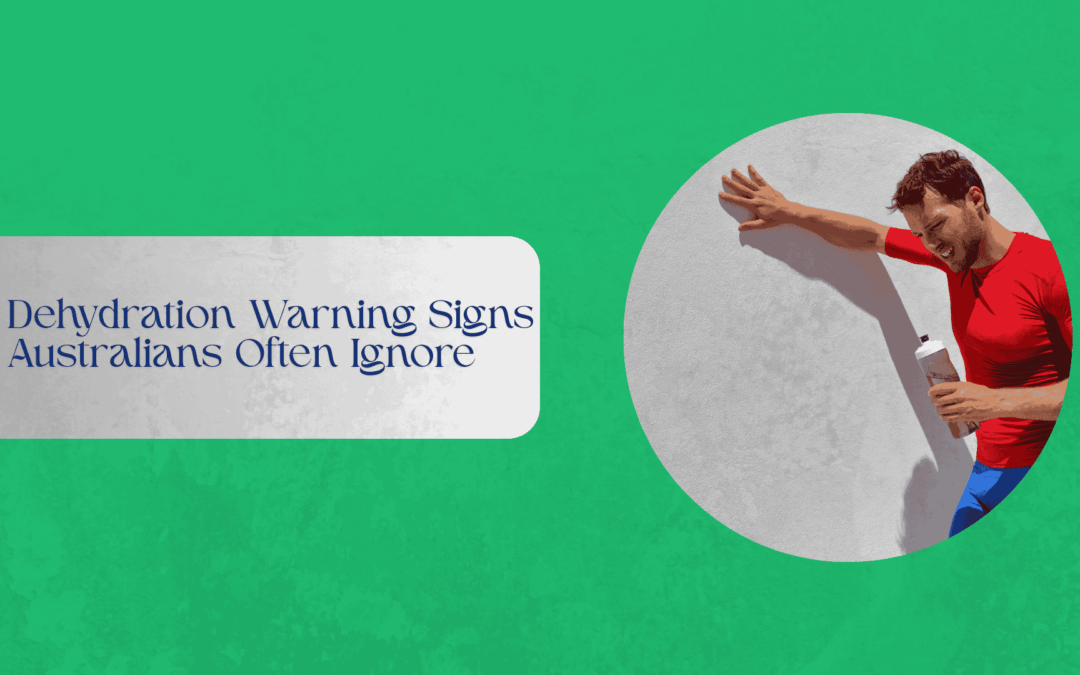
Dehydration is a serious condition that can often go unnoticed until it reaches an advanced stage. Many Australians are unaware of the early warning signs and can put themselves at risk, especially during the hotter months. In this blog, we explore the dehydration warning signs that are commonly ignored, and how you can prevent and address them with simple, effective strategies. Whether you’re working in the heat, exercising, or simply going about your daily routine, staying hydrated is essential for your wellbeing.
Understanding Dehydration
Dehydration occurs when the body loses more fluids than it takes in, leading to an imbalance that can affect its normal functioning. In Australia, high temperatures and active lifestyles contribute to dehydration risks. Understanding how dehydration develops is key to preventing its harmful effects.
Common Dehydration Symptoms to Watch For
There are several signs of dehydration that Australians often overlook, such as dark yellow urine, dry mouth, and dizziness. Recognizing these early symptoms can help you take action before dehydration becomes more severe.
How Climate and Activity Level Impact Dehydration Risk
Australia’s hot climate, combined with outdoor activities and sports, increases the risk of dehydration. It is important to recognize that physical exertion in warm weather can lead to fluid loss far faster than many realize.
Dehydration and Its Effects on Mental Clarity
Dehydration doesn’t just affect the body physically—it can also impact your mental focus and alertness. Dehydration can lead to headaches, dizziness, and difficulty concentrating, which may be more dangerous than many realize.
Dehydration in Children and the Elderly: A Special Focus
Certain groups, such as children and the elderly, are more susceptible to the effects of dehydration. They may not always be able to recognize the symptoms, making it even more important for caregivers to be aware of warning signs.
Preventing Dehydration: Tips for Daily Hydration
Staying hydrated requires more than just drinking water. Eating water-rich foods, balancing electrolytes, and adjusting hydration practices based on activity and weather conditions are all part of the equation.
Hydration Myths Australians Should Stop Believing
Many common myths about hydration could be putting you at risk. For example, some people believe that sugary drinks hydrate as well as water. This section debunks the myths and sets the record straight.
Why Electrolyte Balance is Crucial for Hydration
Maintaining a balance of electrolytes is vital for effective hydration, especially in hot climates and during exercise. Learn how electrolytes help the body retain fluid and support healthy function.
How to Safely Rehydrate After Exercising or Being Outdoors
Rehydrating properly after physical activity or being in the heat is essential for recovery. This section covers the best practices for rehydration, including when to drink and what to consume.
Conclusion
Understanding the warning signs of dehydration is essential for staying healthy, especially during Australia’s hot seasons. By staying vigilant, maintaining a proper hydration routine, and being aware of the symptoms, you can avoid the severe consequences of dehydration.
- Explore Hydration & Electrolytes
- Shop Our Hydration Essentials
- Stay Hydrated with Official Guidelines
Frequently Asked Questions (FAQs)
- What’s the best way to stay hydrated in the heat?
Staying hydrated in hot conditions requires drinking water regularly, eating water-rich foods, and balancing electrolytes. Avoid sugary drinks, which can worsen dehydration. - Can I drink too much water?
While it’s essential to stay hydrated, drinking excessive amounts of water in a short period can lead to water intoxication, which disrupts electrolyte balance.
Mandatory Disclaimer
This content is for general informational purposes only and is not intended as medical or professional advice. Always seek the guidance of a qualified professional regarding any questions about personal wellbeing or products.