How Extreme Heat Affects the Body in Australian Summers
Table of Contents
- Understanding Extreme Heat in Australia
- How Heat Affects the Cardiovascular System
- The Impact of Heat on the Skin
- Dehydration and Electrolyte Imbalance
- Heat Exhaustion vs. Heat Stroke: Key Differences
- Vulnerable Groups: Who Is Most at Risk?
- Preventive Measures for Staying Safe in Extreme Heat
- Hydration Tips for Australian Summers
- How to Identify Heat-Related Illnesses
- Staying Safe in Hot Weather
Understanding Extreme Heat in Australia
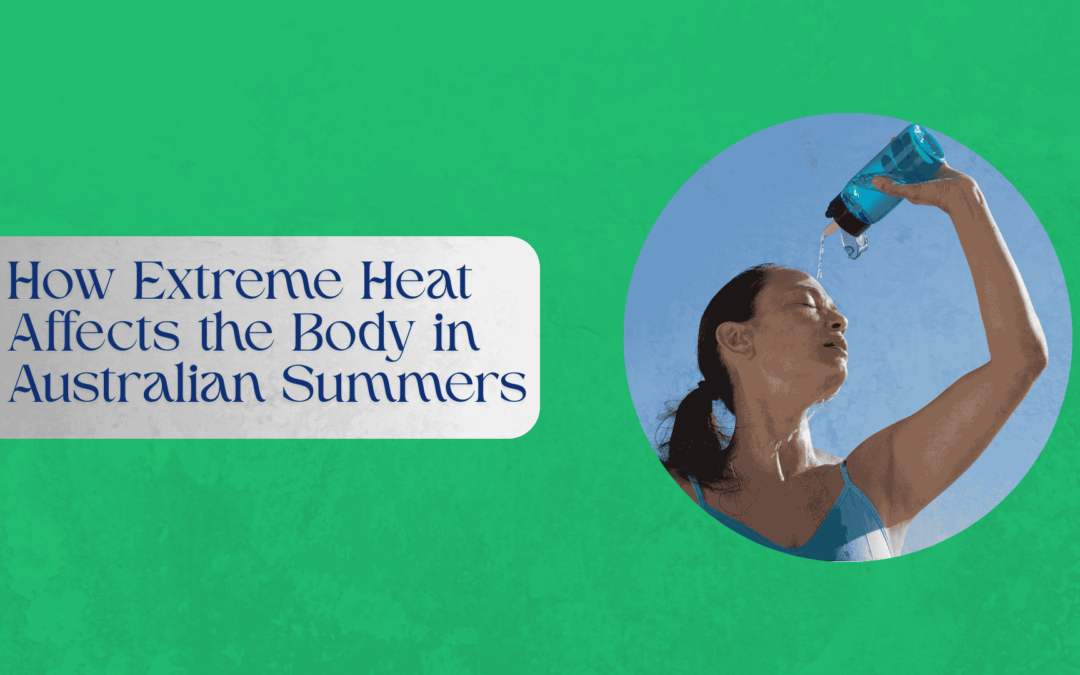
In Australia, summer temperatures can soar, with extreme heat events becoming more common due to climate change. Understanding how heat affects the body is crucial to staying safe. Heat can cause a range of health issues, from mild discomfort to serious conditions like heat stroke. In this article, we’ll explore how extreme heat impacts the body and offer tips on how to stay safe during the scorching summer months.
- [Heat & Hydration Support]
- Australian Government Heat Health Information
How Heat Affects the Cardiovascular System
Extreme heat causes the body to work harder to regulate its temperature. The heart pumps faster to help cool the body, which can strain the cardiovascular system, especially in people with heart conditions. This section discusses the mechanisms behind this process and the potential risks involved.
- [Heat & Hydration Support]
- Heart Foundation – Summer Heat and Your Heart
The Impact of Heat on the Skin
Prolonged exposure to extreme heat can damage the skin, leading to conditions such as sunburn, heat rashes, and premature aging. This section will explain how the skin reacts to extreme temperatures and how to protect it.
- [Heat & Hydration Support]
- Cancer Council Australia – Skin Cancer Prevention
Dehydration and Electrolyte Imbalance
High temperatures increase sweating, which can lead to dehydration and an imbalance of electrolytes, essential for proper muscle and nerve function. Here we explore the importance of staying hydrated and maintaining electrolyte balance during extreme heat.
- [Heat & Hydration Support]
- Australian Institute of Sport – Hydration
Heat Exhaustion vs. Heat Stroke: Key Differences
While both heat exhaustion and heat stroke are serious conditions, they have distinct symptoms and require different treatments. In this section, we clarify the differences between these two heat-related illnesses.
- [Heat & Hydration Support]
- Australian Red Cross – First Aid for Heatstroke
Vulnerable Groups: Who Is Most at Risk?
Certain groups of people, such as the elderly, children, and individuals with chronic illnesses, are more susceptible to the effects of extreme heat. This section covers the factors that make these groups more vulnerable and how to protect them.
- [Heat & Hydration Support]
- Australian Government Department of Health – Vulnerable Groups
Preventive Measures for Staying Safe in Extreme Heat
Preventing heat-related illnesses starts with proactive measures, including staying indoors during the hottest parts of the day and wearing appropriate clothing. This section offers practical tips for staying safe in extreme temperatures.
- [Heat & Hydration Support]
- Bureau of Meteorology – Heat Health Alerts
Hydration Tips for Australian Summers
Hydration is key to combating the effects of extreme heat. This section provides tips on how to stay hydrated during hot weather, including recommended fluid intake and the role of hydration products.
- [Heat & Hydration Support]
- NSW Health – Staying Hydrated in Hot Weather
How to Identify Heat-Related Illnesses
Knowing the signs of heat-related illnesses can be life-saving. This section outlines the common symptoms of heat exhaustion, heat stroke, and dehydration, and provides guidance on when to seek medical help.
- [Heat & Hydration Support]
- World Health Organization – Heat Stress
Staying Safe in Hot Weather
To wrap up, it’s essential to understand the risks posed by extreme heat and take the necessary precautions to protect your health. Staying hydrated, avoiding excessive sun exposure, and recognizing the signs of heat-related illnesses are key strategies for staying safe during Australia’s hot summer months.
- [Heat & Hydration Support]
- Australian Red Cross – Heat Safety