by iamrolanddiaz | Dec 24, 2025 | Advocacy
Table of Contents
- Introduction
- Why Hydration is Important in Summer.
- Key Features of Best-Selling Hydration Products.
- Top Hydration Products to Try This Summer.
- How to Choose the Right Hydration Product for You.
- Benefits of Staying Hydrated During Hot Weather.
- The Role of Electrolytes in Hydration.
- How to Use Hydration Products Effectively.
- Customer Favourites: Best-Selling Hydration Products This Season.
- Conclusion
Introduction
Provide an overview of why hydration is crucial during the summer, emphasising the hotter weather and increased physical activity. Mention how dehydration can negatively affect energy levels and overall well-being. Link to an internal page about Best-Selling Hydration and an external, authoritative source about hydration.
Why Hydration is Important in Summer
Discuss the impact of summer heat on the body and why staying hydrated is essential. Include general advice on maintaining hydration. Internal link: Hydration product range. An authoritative source on hydration needs.
Key Features of Best-Selling Hydration Products
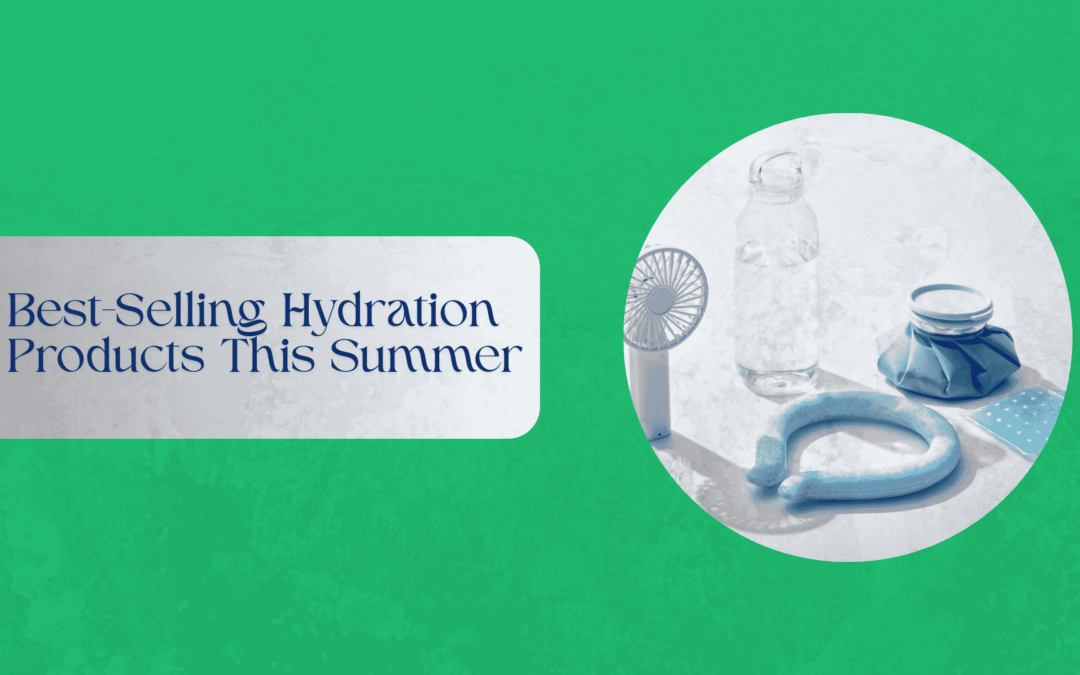
Highlight the essential qualities of popular hydration products: quick absorption, long-lasting hydration, and ease of use. Mention popular formats such as powders, drinks, and tablets. Include neutral internal links to relevant product categories and external links to expert reviews.
Top Hydration Products to Try This Summer
List popular hydration products that are trending this summer, focusing on their benefits, customer reviews, and features. Make sure to provide neutral descriptions with no claims about health outcomes. Internal link: Product category or individual hydration product page. Expert or government recommendation.
How to Choose the Right Hydration Product for You
Guide readers on selecting the best product based on factors such as activity level, taste preferences, and convenience. Discuss different hydration needs for various activities. Hydration product options. An external expert source on hydration.
Benefits of Staying Hydrated During Hot Weather
Focus on the overall benefits of hydration in hot climates—improved energy, better focus, and reduced fatigue. Refrain from any health outcome claims but offer general tips. Hydration product benefits. Government or health authority’s take on the benefits of hydration.
The Role of Electrolytes in Hydration
Discuss the importance of electrolytes in hydration, especially in extreme heat. Mention how electrolytes help in balancing water levels. Hydration product range. Scientific or health-based article on electrolytes.
How to Use Hydration Products Effectively
Provide practical tips on using hydration products, such as when and how to take them for maximum benefit. Related product category. A health expert’s advice on electrolyte consumption.
Customer Favourites: Best-Selling Hydration Products This Season
Present a neutral, engaging look at the top-selling hydration products, based on customer reviews and sales data. Avoid making any health claims. Best-selling hydration page. Customer testimonials or reviews.
Conclusion
Summarise the key points about hydration during summer, emphasising how these products can help maintain hydration. Include up to two neutral calls to action to purchase or explore the Best-Selling Hydration products. Product page or category. Further reading on hydration.
Frequently Asked Questions (FAQs)
Provide neutral Q&As related to hydration, such as:
- Q: How often should I hydrate during the summer?
- A: It’s important to hydrate regularly throughout the day, especially if you’re active. Aim for at least 8 cups of water, but this may vary based on activity and heat.
- Hydration product page.
- Authoritative resource on hydration.
Mandatory Disclaimer
“This content is for general informational purposes only and is not intended as medical or professional advice. Always seek the guidance of a qualified professional regarding any questions about personal wellbeing or products.”

by iamrolanddiaz | Nov 30, 2025 | Advocacy
Table of Contents
- Introduction
- The Unexpected Heatwave — A Wake-Up Call
- How I Stayed Safe During the Heatwave
- The Importance of Staying Hydrated
- Recognising the Signs of Heat Exhaustion
- Preparing for Future Heatwaves
- Conclusion
Introduction
In this blog post, I share my personal experience with my first heatwave scare and what I learned from it. As the temperature soared, I quickly realised how unprepared I was for such extreme conditions. This experience taught me valuable lessons about heat safety, and I want to pass them on to you to ensure you’re prepared for future heatwaves.
The Unexpected Heatwave — A Wake-Up Call
It all started with an unexpected spike in temperature that caught me completely off guard. The signs of a heatwave were evident, but I never thought it would affect me directly. I found myself struggling to keep cool, realising that I didn’t have the right gear or knowledge to protect myself from the heat.
How I Stayed Safe During the Heatwave
Once I recognised the dangers of the extreme heat, I took immediate action to stay safe. I stayed indoors, used fans, and wore light clothing. However, I learned that even simple actions like these are not enough without proper hydration and ventilation.
The Importance of Staying Hydrated
During the heatwave, I realised how crucial it was to stay hydrated. I made sure to drink water regularly, but I also learned the importance of electrolytes for better hydration, especially during high temperatures.
Recognising the Signs of Heat Exhaustion
While I was managing the heat, I began to notice signs of heat exhaustion, like dizziness and excessive sweating. This experience taught me to recognise the symptoms early and take action before things get worse.
Preparing for Future Heatwaves
I now know that proper preparation is key when it comes to dealing with heatwaves. I’ve invested in heat safety essentials and have learned better ways to keep my environment cool. Being proactive about heat safety can prevent heat-related health issues in the future.
Conclusion
The heatwave scare was a wake-up call that taught me valuable lessons about staying safe in extreme heat. By recognising the signs of heat exhaustion, staying hydrated, and preparing properly, I am now better equipped for future heatwaves. I encourage everyone to take heat safety seriously and stay prepared.
Disclaimer
This content is for general informational purposes only and is not intended as medical or professional advice. Always seek the guidance of a qualified professional regarding any questions about personal well-being or products.
by iamrolanddiaz | Nov 30, 2025 | Advocacy
Table of Contents
- Understanding Extreme Heat in Australia
- How Heat Affects the Cardiovascular System
- The Impact of Heat on the Skin
- Dehydration and Electrolyte Imbalance
- Heat Exhaustion vs. Heat Stroke: Key Differences
- Vulnerable Groups: Who Is Most at Risk?
- Preventive Measures for Staying Safe in Extreme Heat
- Hydration Tips for Australian Summers
- How to Identify Heat-Related Illnesses
- Staying Safe in Hot Weather
Understanding Extreme Heat in Australia
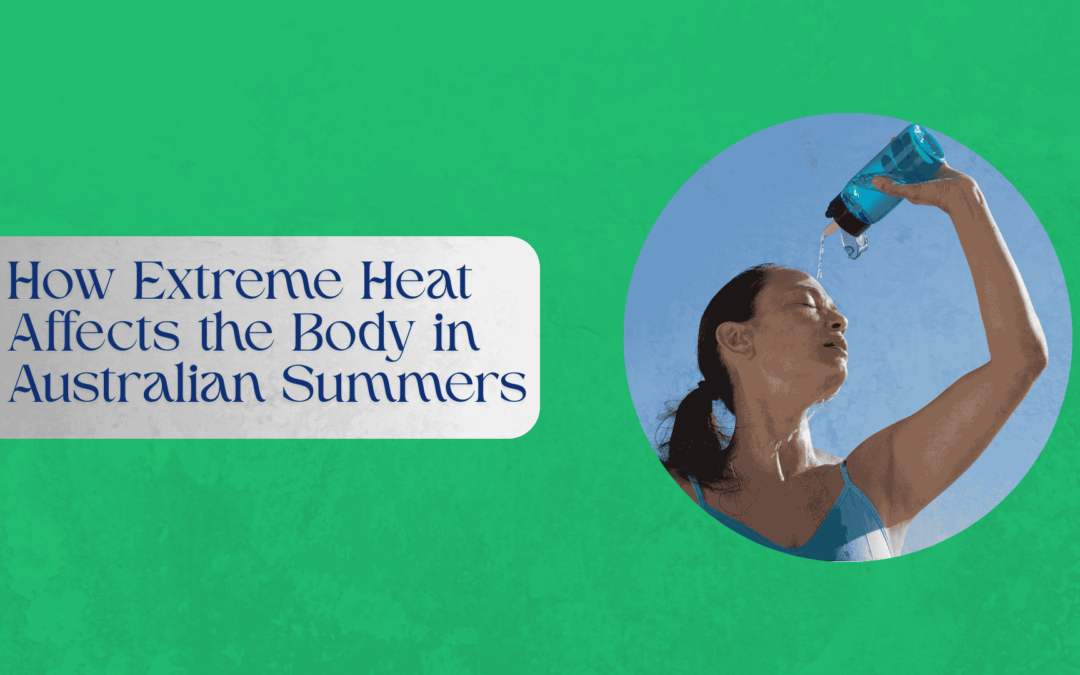
In Australia, summer temperatures can soar, with extreme heat events becoming more common due to climate change. Understanding how heat affects the body is crucial to staying safe. Heat can cause a range of health issues, from mild discomfort to serious conditions like heat stroke. In this article, we’ll explore how extreme heat impacts the body and offer tips on how to stay safe during the scorching summer months.
How Heat Affects the Cardiovascular System
Extreme heat causes the body to work harder to regulate its temperature. The heart pumps faster to help cool the body, which can strain the cardiovascular system, especially in people with heart conditions. This section discusses the mechanisms behind this process and the potential risks involved.
The Impact of Heat on the Skin
Prolonged exposure to extreme heat can damage the skin, leading to conditions such as sunburn, heat rashes, and premature aging. This section will explain how the skin reacts to extreme temperatures and how to protect it.
Dehydration and Electrolyte Imbalance
High temperatures increase sweating, which can lead to dehydration and an imbalance of electrolytes, essential for proper muscle and nerve function. Here we explore the importance of staying hydrated and maintaining electrolyte balance during extreme heat.
Heat Exhaustion vs. Heat Stroke: Key Differences
While both heat exhaustion and heat stroke are serious conditions, they have distinct symptoms and require different treatments. In this section, we clarify the differences between these two heat-related illnesses.
Vulnerable Groups: Who Is Most at Risk?
Certain groups of people, such as the elderly, children, and individuals with chronic illnesses, are more susceptible to the effects of extreme heat. This section covers the factors that make these groups more vulnerable and how to protect them.
Preventive Measures for Staying Safe in Extreme Heat
Preventing heat-related illnesses starts with proactive measures, including staying indoors during the hottest parts of the day and wearing appropriate clothing. This section offers practical tips for staying safe in extreme temperatures.
Hydration Tips for Australian Summers
Hydration is key to combating the effects of extreme heat. This section provides tips on how to stay hydrated during hot weather, including recommended fluid intake and the role of hydration products.
How to Identify Heat-Related Illnesses
Knowing the signs of heat-related illnesses can be life-saving. This section outlines the common symptoms of heat exhaustion, heat stroke, and dehydration, and provides guidance on when to seek medical help.
Staying Safe in Hot Weather
To wrap up, it’s essential to understand the risks posed by extreme heat and take the necessary precautions to protect your health. Staying hydrated, avoiding excessive sun exposure, and recognizing the signs of heat-related illnesses are key strategies for staying safe during Australia’s hot summer months.