by iamrolanddiaz | Dec 26, 2025 | Advocacy
Table of Contents
- Introduction
- Why Sun Care Products are Essential for Summer
- Top-Rated Sun Protection Solutions
- The Best Sunscreens for Sensitive Skin
- Sun Care for Active Lifestyles
- After-Sun Care: Keep Your Skin Healthy
- Why Customers Love These Sun Care Products
- How to Choose the Right Sun Care Products for You
- Conclusion & Final Tips
- Frequently Asked Questions
Introduction
Sun care is a crucial part of maintaining healthy skin throughout the year, but it becomes especially important during the hot summer months. In this guide, we highlight the customer-favourite sun care products that not only protect against harmful UV rays but also nurture your skin. From broad-spectrum sunscreens to soothing after-sun treatments, we cover it all.
Why Sun Care Products are Essential for Summer
As the temperatures rise, the need for effective sun protection becomes critical. Prolonged exposure to UV rays can lead to skin damage, premature aging, and even increase the risk of skin cancer. Learn why sun care is essential for all skin types, especially during outdoor activities.
Top-Rated Sun Protection Solutions
When it comes to protecting your skin, not all sunscreens are created equal. Explore some of the most popular sun protection products loved by our customers, from SPF 50+ to water-resistant formulas perfect for beach days.
The Best Sunscreens for Sensitive Skin
Sensitive skin requires special attention. Here, we feature sunscreens that provide high protection without irritating the skin, making them ideal for those with skin conditions or sensitivities.
Sun Care for Active Lifestyles
If you’re someone who enjoys sports or outdoor adventures, sun protection that keeps up with your lifestyle is a must. Discover sun care products designed to withstand sweat and water, keeping you protected while you’re on the move.
After-Sun Care: Keep Your Skin Healthy
Even with the best protection, sun exposure can still cause skin irritation. After-sun care products are essential to soothe, hydrate, and restore your skin.
Why Customers Love These Sun Care Products
What sets these sun care products apart? We dive into customer feedback, highlighting why these products are fan favorites and how they provide value beyond basic sun protection.
How to Choose the Right Sun Care Products for You
With so many options available, selecting the right sun care products can be overwhelming. This section guides you on choosing based on your skin type, activities, and needs.
Conclusion & Final Tips
Protecting your skin doesn’t have to be difficult. Armed with the right products, you can enjoy your time outdoors without worry. Recap our top sun care recommendations and remember to apply sunscreen regularly.
Frequently Asked Questions (FAQ)
- How often should I apply sunscreen?
Sunscreen should be reapplied every two hours or after swimming or sweating.
Mandatory Disclaimer
“This content is for general informational purposes only and is not intended as medical or professional advice. Always seek the guidance of a qualified professional regarding any questions about personal wellbeing or products.”
by iamrolanddiaz | Dec 26, 2025 | Advocacy
Table Of Content
- Introduction
- The Importance of After-Sun Care
- Top After-Sun Skin Repair Ingredients to Look For
- Best After-Sun Products for Sensitive Skin
- Hydrating After-Sun Products to Combat Dryness
- How to Apply After-Sun Products for Maximum Benefit
- After-Sun Care for Long-Term Skin Health
- Conclusion
- Frequently Asked Questions (FAQ)
Introduction
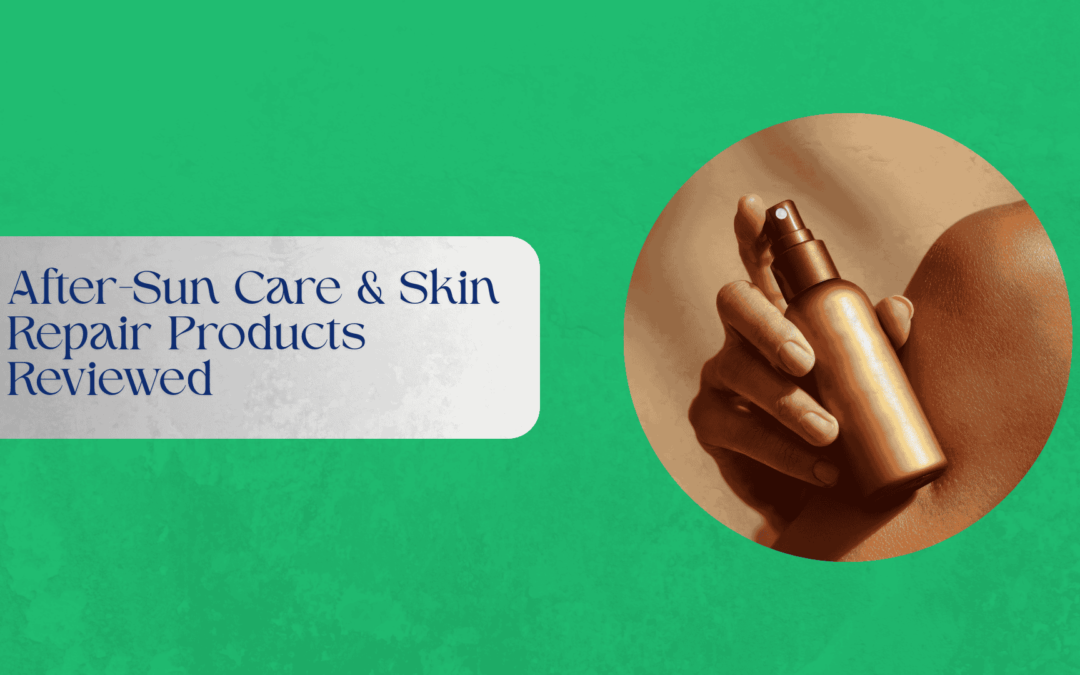
After spending a day under the sun, it’s important to give your skin the care it needs to repair and rejuvenate. Sun exposure, while enjoyable, can lead to dryness, irritation, and even long-term damage. That’s where after-sun care and skin repair products come in. These products are designed to hydrate, soothe, and restore your skin’s natural balance after a day outdoors. In this article, we’ll review some of the best after-sun care and skin repair products on the market, focusing on their effectiveness, ingredients, and overall performance. Whether you’re dealing with mild sunburn or simply need a moisturising boost, these products are essential for your skincare routine.
Explore our [After-Sun & Skin Repair] range for effective solutions
For more information, check out this article from the Australian Government’s Department of Health on skin care tips.
The Importance of After-Sun Care
After exposure to the sun, your skin can become dehydrated and sensitive. After-sun care helps replenish lost moisture, calm irritation, and reduce the chances of peeling. Some key ingredients to look for in after-sun products include aloe vera, vitamin E, and chamomile, which are known for their soothing properties. A good after-sun lotion or gel can prevent your skin from becoming dry and flaky while helping it recover from sun exposure.
Check out our [After-Sun & Skin Repair] collection for moisturising products.
For more tips on keeping your skin healthy, visit the Australian Cancer Council’s sunscreen advice.
Top After-Sun Skin Repair Ingredients to Look For
Certain ingredients stand out when it comes to repairing sun-damaged skin. Aloe vera is often the go-to choice for soothing and cooling inflamed skin. It also aids in replenishing moisture and provides a calming effect. Other beneficial ingredients include antioxidants like vitamin C, which helps repair damaged skin cells, and hyaluronic acid, which keeps your skin hydrated. When looking for the best after-sun products, always check the ingredient list for these key players.
Explore our [After-Sun & Skin Repair] products with nourishing ingredients.
Learn more about the benefits of natural ingredients in skincare from ACMA’s consumer guidelines.
Best After-Sun Products for Sensitive Skin
If you have sensitive skin, finding an after-sun product that won’t irritate it is essential. Look for fragrance-free, hypoallergenic options that are gentle and soothing. Aloe-based gels or creams are often the best for sensitive skin, as they offer relief without causing further irritation. Be sure to check for any added chemicals that could trigger a reaction, and opt for products designed specifically for sensitive skin.
Browse our selection of [After-Sun & Skin Repair] products ideal for sensitive skin.
For more tips, visit the TGA’s advice on skincare products.
Hydrating After-Sun Products to Combat Dryness
Sun exposure can leave your skin feeling dry and tight. To combat this, hydrating after-sun products are essential. Look for creams and lotions that are rich in moisturising ingredients like glycerin, shea butter, and jojoba oil. These ingredients help lock in moisture and restore your skin’s natural elasticity. A good after-sun moisturiser not only rehydrates but also improves the overall texture and appearance of your skin.
Shop our [After-Sun & Skin Repair] moisturisers for deep hydration.
Check out the Australian Dermatology Society’s tips on skin hydration.
How to Apply After-Sun Products for Maximum Benefit
To get the most out of your after-sun products, it’s essential to apply them correctly. Start by gently cleansing your skin to remove any sweat, dirt, or sunscreen residue. After drying, apply a generous amount of after-sun lotion or gel to your face and body, paying special attention to areas that are more exposed to the sun. Massage it in gently to allow your skin to absorb the ingredients. For optimal results, use the product as soon as possible after sun exposure.
Find the best application methods in our [After-Sun & Skin Repair] range.
For more on effective skincare practices, read this TGA guide on skin care.
After-Sun Care for Long-Term Skin Health
Taking care of your skin after sun exposure isn’t just about immediate relief—it also plays a role in your long-term skin health. Consistent use of after-sun products can help prevent premature aging, pigmentation, and other skin issues caused by UV damage. By integrating these products into your daily skincare routine, you can protect your skin’s health and appearance for years to come.
Explore long-term skin care solutions in our [After-Sun & Skin Repair] range.
Learn more about long-term sun protection from the Australian Government Health Advice.
Conclusion
After-sun care and skin repair are vital components of your skincare routine, especially after a day spent under the sun. With the right products, you can hydrate, soothe, and repair your skin, ensuring it stays healthy and youthful. Remember to choose products with soothing ingredients, and apply them as soon as possible after sun exposure for the best results.
Explore our full [After-Sun & Skin Repair] product range for the best options for your skin.
For comprehensive sun safety advice, visit ACMA’s sun protection page.
Frequently Asked Questions (FAQ)
- What are the best after-sun products for sensitive skin?
Look for fragrance-free, hypoallergenic products with soothing ingredients like aloe vera and chamomile. Products specifically labelled for sensitive skin are the safest choice.
Find more sensitive-skin solutions in our [After-Sun & Skin Repair] range.
Learn more from TGA’s guidelines on skincare.
Disclaimer
This content is for general informational purposes only and is not intended as medical or professional advice. Always seek the guidance of a qualified professional regarding any questions about personal well-being or products.
by iamrolanddiaz | Nov 30, 2025 | Advocacy
Table of Contents
- Introduction
- What to Look for on Beauty Product Labels
- Understanding Ingredients: What Does it Mean for You?
- How to Identify Misleading Claims on Labels
- Consumer Rights: What You Need to Know
- How to Make Informed Choices
- The Role of Regulatory Bodies in Labelling
- Tips for Reading Labels Effectively
- Common Labelling Pitfalls to Avoid
- Conclusion
- Frequently Asked Questions (FAQ)
Introduction
When shopping for beauty products, knowing how to read product labels is crucial for making informed decisions. In Australia, consumers have the right to access clear and accurate information about the products they purchase, ensuring they can make choices that align with their personal needs and preferences. This guide will explain how to decode beauty product labels, focusing on key ingredients, claims, and the regulations that protect consumers.
For more tips on beauty products, check out our Beauty Product Education page.
For official guidance on product labelling, visit the Australian Government’s Consumer Protection website.
What to Look for on Beauty Product Labels
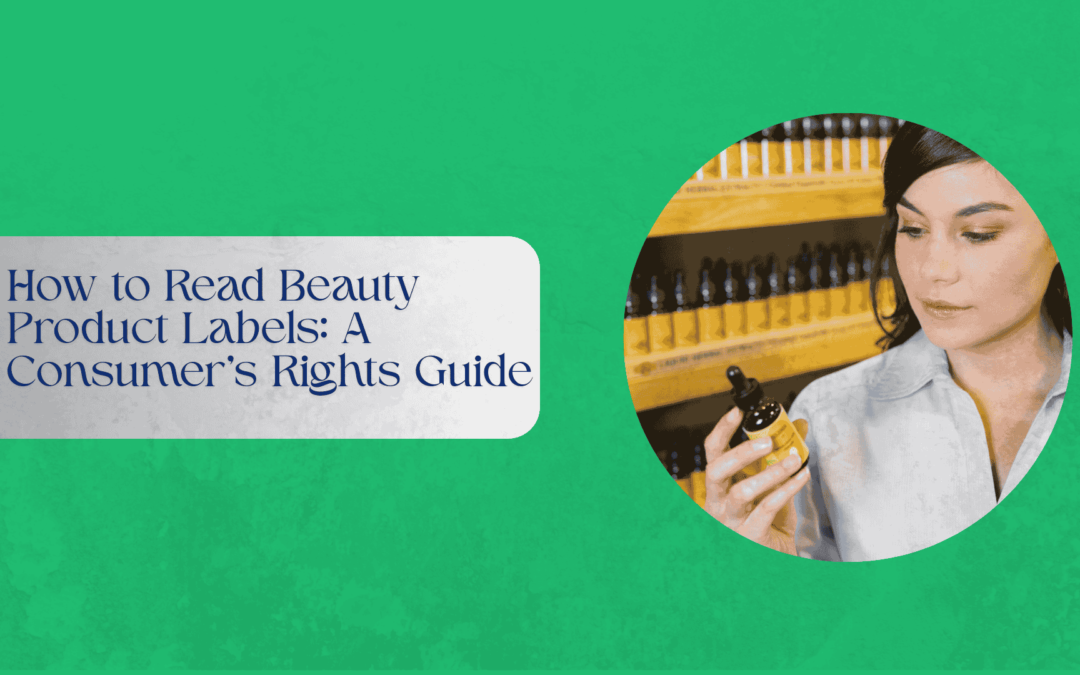
Beauty product labels are your first clue to understanding what’s inside. Look for product name, ingredient list, usage instructions, and expiration date. Ingredients are listed in descending order by weight, so the first ingredients are the most prominent. Regulatory requirements ensure that all beauty products must display certain information on their labels, such as active ingredients, allergy warnings, and any necessary precautions.
For more information, explore our Beauty Product Education category.
Understanding Ingredients: What Does it Mean for You?
Ingredients in beauty products are critical for identifying what the product will do for your skin. Some ingredients may be beneficial, while others could potentially cause allergic reactions. Common ingredients like parabens or sulphates are often highlighted, but it’s important to know how each ingredient works. Understanding the terminology and scientific names can help you avoid harmful substances or select products that align with your skin care goals.
Learn more about ingredient transparency in our Beauty Product Education section.
How to Identify Misleading Claims on Labels
Some beauty product labels can be misleading, with terms like “natural,” “organic,” or “hypoallergenic” used in ways that don’t always reflect the truth. Consumers should be aware that these terms are not always regulated, so it’s important to verify them through trusted sources. Always check ingredient lists and certifications to back up such claims.
For authoritative consumer rights information, refer to the Australian Competition and Consumer Commission (ACCC).
Consumer Rights: What You Need to Know
As a consumer in Australia, you have the right to transparent information about the products you purchase. The Australian Consumer Law ensures that products are labelled honestly and fairly, giving you the power to make informed choices. If a product fails to meet these standards, you may be entitled to a refund or replacement.
Find more consumer rights guidance on Consumer Protection Australia’s website.
How to Make Informed Choices
To make informed decisions, research the products you’re interested in. Always read the label carefully and understand what each ingredient does. Consulting with trusted resources, including regulatory bodies, can further guide you in selecting products that are both safe and effective for your skin.
The Role of Regulatory Bodies in Labelling
Regulatory bodies, such as the Therapeutic Goods Administration (TGA), play a key role in ensuring beauty products meet safety and labelling standards in Australia. They set guidelines for manufacturers and hold them accountable for the accuracy of the information provided to consumers.
Tips for Reading Labels Effectively
To get the most out of beauty product labels, focus on key sections like ingredients, warnings, and certifications. Look out for third-party seals of approval like cruelty-free, organic, or dermatologically tested. Don’t be fooled by catchy phrases or buzzwords; focus on the actual content that can affect your skin’s health.
Common Labelling Pitfalls to Avoid
Consumers often overlook misleading marketing phrases such as “paraben-free” or “100% natural,” which may not be regulated. Avoid these traps by focusing on concrete facts, such as certifications and ingredient breakdowns. Always take the time to verify claims with independent resources.
Conclusion
Reading beauty product labels is an essential skill for any informed consumer. By understanding the key elements on a product label, you can make better decisions, avoid misleading claims, and protect your skin from unnecessary harm. Remember, you have the right to clear, truthful information when purchasing beauty products.
Explore our Beauty Product Education for more detailed information on beauty ingredients and consumer rights.
Frequently Asked Questions (FAQ)
- Q: What does “hypoallergenic” mean on beauty product labels?
A: “Hypoallergenic” generally means the product is less likely to cause allergic reactions, but it’s not a guarantee. Always check the ingredient list if you have known sensitivities.
Mandatory Disclaimer
“This content is for general informational purposes only and is not intended as medical or professional advice. Always seek the guidance of a qualified professional regarding any questions about personal wellbeing or products.”