Sun Damage Risks & Why Daily Protection Matters
Table Of Content
- Introduction
- Understanding Sun Damage
- The Importance of Daily Sun Protection
- Choosing the Right Sunscreen for Daily Use
- Conclusion
- Frequently Asked Questions (FAQ)
Introduction
Sun exposure is a significant environmental factor affecting skin health. Prolonged exposure to the sun can lead to a variety of harmful effects, including premature aging and increased risk of skin cancers. While enjoying the outdoors is essential for overall well-being, it is crucial to understand how sun damage occurs and why daily sun protection is essential for maintaining healthy skin. In this blog, we’ll explore the risks associated with sun damage and why applying sun protection regularly is an effective strategy for safeguarding your skin’s health.
- Explore our Daily Sun Protection products to help shield your skin from harmful UV rays.
- Learn more from the Australian Government Department of Health about the importance of sun safety.
Understanding Sun Damage
Sun damage occurs when the skin is exposed to harmful UV rays from the sun. These rays can penetrate the skin and cause both short-term and long-term damage, including sunburn, skin aging, and even skin cancer. Over time, repetitive sun exposure without adequate protection can lead to the breakdown of collagen, leading to premature aging. Understanding the risks of sun damage and its cumulative effect on the skin is crucial in choosing effective protection strategies.
- Learn more about protecting your skin with our Daily Sun Protection range.
- For more detailed information on UV radiation and its effects, visit the Cancer Council.
The Importance of Daily Sun Protection
Using daily sun protection is one of the most effective ways to minimise the risks of sun damage. Even on cloudy days or indoors, UV rays can still affect your skin, making it essential to incorporate sun protection into your daily skincare routine. Daily use of sunscreen not only helps protect against immediate sunburn but also reduces the long-term risks of skin aging and cancer. Regular application ensures your skin is continuously shielded from harmful UV radiation, supporting healthier, more resilient skin over time.
- Check out our Daily Sun Protection collection to find the best products for everyday use.
- The Australian Radiation Protection and Nuclear Safety Agency provides more details on UV radiation exposure and safety.
Choosing the Right Sunscreen for Daily Use
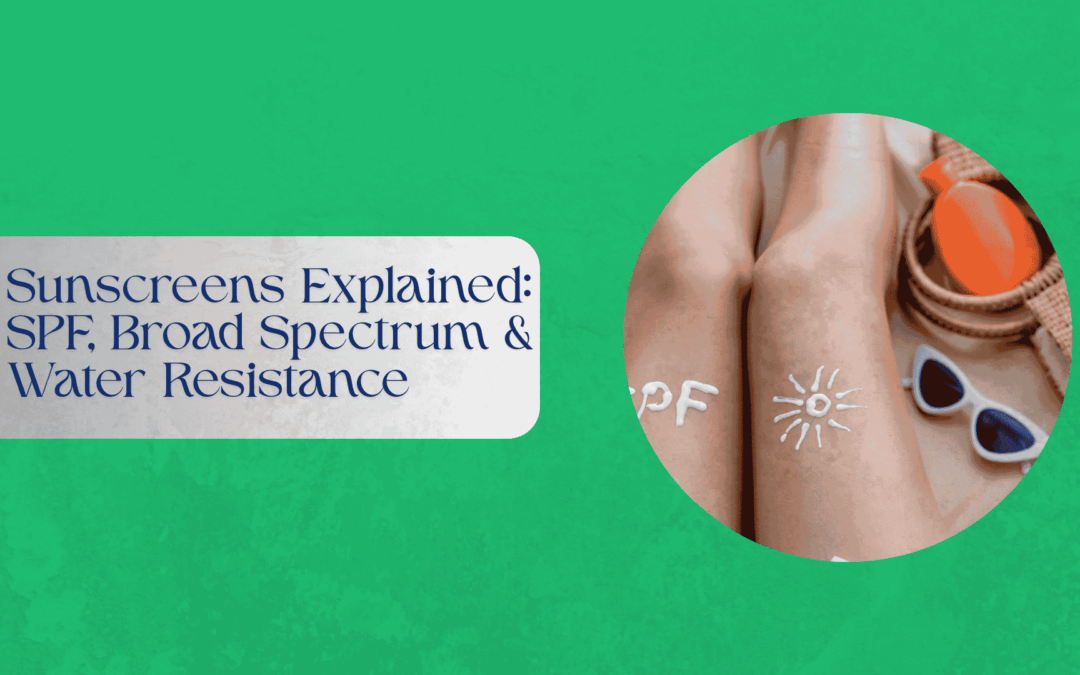
Selecting the right sunscreen can be overwhelming, but understanding your skin’s needs and the level of protection required can make the process simpler. Broad-spectrum sunscreens that protect against both UVA and UVB rays are ideal for daily use. Choose products with an SPF of 30 or higher for optimal protection. It’s important to reapply sunscreen every two hours when outdoors, especially if sweating or swimming. Some sunscreens also offer additional benefits, such as moisturising properties or anti-aging ingredients.
- Explore our Daily Sun Protection range for products designed for everyday use.
- For expert tips on selecting the right sunscreen, refer to the Dermatology Society of Australia.
Conclusion
Protecting your skin from sun damage is not just a seasonal activity—it should be part of your daily routine. Consistent use of sun protection reduces the risk of skin aging and skin cancer, while promoting healthier skin overall. Whether you are spending a day at the beach or simply going about your daily activities, remember to apply sunscreen to ensure you are safeguarding your skin. Start incorporating daily sun protection into your routine today for long-term skin health.
- Browse our Daily Sun Protection product range to find the perfect sunscreen for your skincare needs.
- For more information on sun safety, visit The Australian Cancer Council.
Frequently Asked Questions (FAQ)
Q1: How often should I reapply sunscreen?
A1: Sunscreen should be reapplied every two hours, or more often if swimming or sweating. Choose a broad-spectrum sunscreen with SPF 30 or higher for best results.
- Explore our Daily Sun Protection range for long-lasting coverage.
- Visit The Cancer Council for more advice on sunscreen application.
Mandatory Disclaimer
“This content is for general informational purposes only and is not intended as medical or professional advice. Always seek the guidance of a qualified professional regarding any questions about personal well-being or products.”