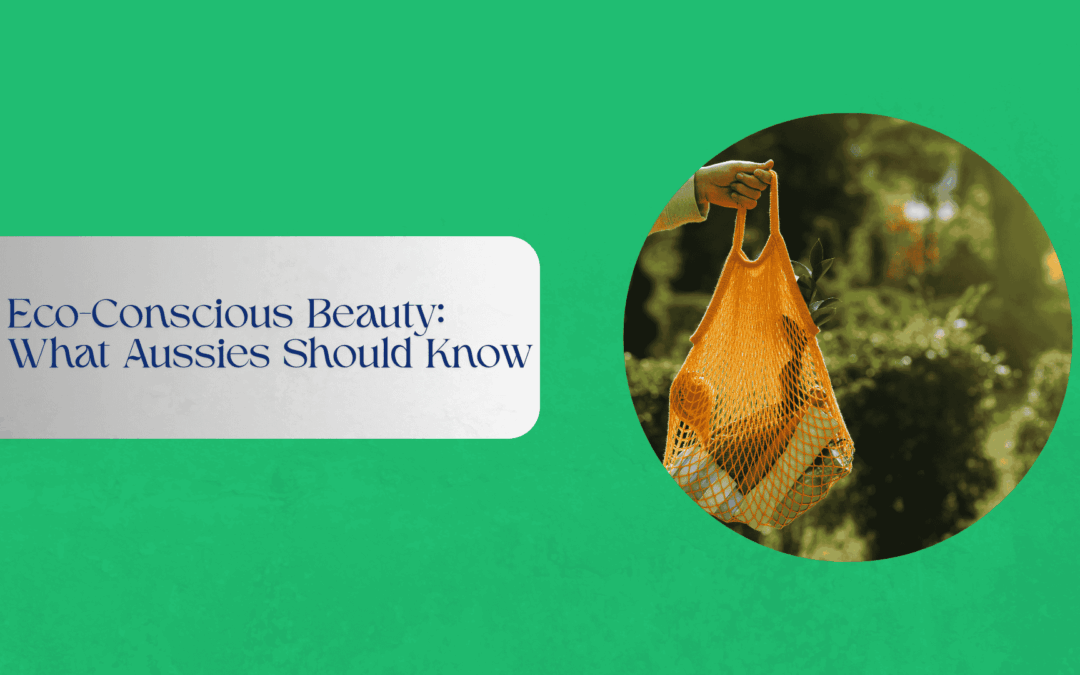
Eco-Conscious Beauty: What Aussies Should Know
Table of Contents
- Understanding Eco-Conscious Beauty
- Why Eco-Conscious Beauty is on the Rise
- Key Factors Driving the Shift Towards Sustainable Beauty
- What Australian Shoppers Should Look for in Eco-Conscious Products
- Popular Eco-Conscious Beauty Brands in Australia
- How to Make Eco-Friendly Beauty Choices on a Budget
- The Importance of Cruelty-Free and Vegan Beauty Products
- Environmental Impact of Conventional Beauty Products
- Certifications and Labels to Look for in Eco-Conscious Beauty
- Embracing Sustainable Beauty for the Future
Understanding Eco-Conscious Beauty
Eco-conscious beauty has become a growing trend as consumers become more aware of the environmental impact of their choices. In recent years, the beauty industry has witnessed a significant shift towards sustainability, with many brands adopting eco-friendly practices. This trend not only caters to the desire for cleaner, safer products but also to a collective commitment to environmental protection. By choosing eco-conscious beauty, Australian shoppers can support sustainable practices that are essential for a greener future.
- [Eco-Conscious Beauty Products]
- Australian Government Environmental Policies
Why Eco-Conscious Beauty is on the Rise
The rise of eco-conscious beauty can be attributed to the increasing awareness of climate change and environmental degradation. Consumers, especially in Australia, are more conscious about the ingredients in their beauty products and their impact on both personal health and the environment. Eco-friendly beauty offers natural alternatives that are free from harmful chemicals, and many consumers are switching to brands that promote sustainability through ethical sourcing and reduced packaging.
- [Sustainable Beauty Options]
- ACMA Sustainability Guidelines
Key Factors Driving the Shift Towards Sustainable Beauty
Several key factors are driving the shift towards eco-conscious beauty, including the increased demand for transparency, ethical sourcing, and eco-friendly production methods. Consumers are more informed than ever, and they expect beauty brands to take responsibility for their environmental footprint. Factors such as plastic waste reduction, ingredient sourcing, and the carbon footprint of manufacturing processes are now top priorities for eco-conscious shoppers.
- [Eco-Friendly Product Ranges
- Sustainable Beauty Industry Growth
What Australian Shoppers Should Look for in Eco-Conscious Products
Australian shoppers should look for a few key elements when choosing eco-conscious beauty products: transparency in ingredient sourcing, cruelty-free certifications, recyclable packaging, and sustainable production processes. Additionally, it’s important to check for third-party certifications that indicate a product’s environmental and ethical standards.
- [Eco-Friendly Product Options]
- TGA Regulations for Beauty Products
Popular Eco-Conscious Beauty Brands in Australia
Several brands have emerged in Australia that focus on eco-conscious beauty. These brands prioritise sustainable practices and have a range of products made with natural ingredients, cruelty-free formulas, and recyclable packaging. Popular brands include [Brand 1], [Brand 2], and [Brand 3]. These brands provide options for every type of beauty regimen, from skincare to makeup.
- [Browse Eco-Conscious Brands]
- List of Eco-Conscious Brands in Australia
How to Make Eco-Friendly Beauty Choices on a Budget
Eco-friendly beauty doesn’t always have to come at a premium price. By opting for multi-use products, focusing on brands with refillable options, or choosing smaller sizes, Australian shoppers can make eco-conscious choices without breaking the bank. Additionally, many eco-conscious brands offer value packs or bundle deals that provide great savings.
- [Budget-Friendly Eco Products]
- How to Save with Eco-Friendly Beauty
The Importance of Cruelty-Free and Vegan Beauty Products
Cruelty-free and vegan beauty products are an important part of the eco-conscious movement. By choosing products that are not tested on animals and do not contain animal-derived ingredients, Australian shoppers can further reduce their environmental impact and promote ethical beauty practices.
- [Vegan and Cruelty-Free Options]
- Cruelty-Free Beauty Australia
Environmental Impact of Conventional Beauty Products
Conventional beauty products often contain harmful chemicals, synthetic fragrances, and excessive plastic packaging. These products not only pose risks to personal health but also contribute to environmental pollution. The eco-conscious beauty movement is working to reduce these impacts by offering alternatives that are safer for both individuals and the planet.
- [Eco-Conscious Beauty Solutions]
- The Impact of Beauty Waste
Certifications and Labels to Look for in Eco-Conscious Beauty
To ensure the authenticity of eco-friendly claims, Australian shoppers should look for recognised certifications like Organic, Cruelty-Free, Vegan, and Fair Trade. These certifications indicate that a product meets strict environmental and ethical standards, providing further reassurance to consumers making sustainable choices.
- [Certified Eco-Friendly Products]
- Eco-Beauty Certifications in Australia
Embracing Sustainable Beauty for the Future
The eco-conscious beauty movement is not just a trend, but a necessary shift towards a more sustainable future. Australian shoppers can make a difference by choosing products that support ethical practices and minimise environmental impact. By being mindful of the products they purchase, consumers can contribute to a cleaner, greener beauty industry.
- [Shop Eco-Conscious Beauty Products]
- Australian Environmental Policies on Beauty
Frequently Asked Questions (FAQ)
- Q: What makes a beauty product eco-friendly?
A: An eco-friendly beauty product is made with natural, non-toxic ingredients, uses sustainable packaging, and follows ethical sourcing and manufacturing practices. Always check for third-party certifications for assurance.-
- [Eco-Conscious Beauty Products]
- Sustainable Beauty Guidelines
-
Disclaimer: This content is for general informational purposes only and is not intended as medical or professional advice. Always seek the guidance of a qualified professional regarding any questions about personal well-being or products.