All Listings
by Advocacy Matters AU | Apr 22, 2026 | Advocacy

Find the best match of your interest

The daily habits we incorporate into our lives can have a profound impact on our heart health. Simple lifestyle changes—like staying active, eating a balanced diet, and getting adequate rest—can help reduce the risk of heart disease. This article explores how a few key habits can strengthen your heart and improve overall wellness.
Regular physical activity is essential for maintaining a healthy heart. Whether it’s a brisk walk, cycling, or a daily workout routine, staying active strengthens the heart muscle, improves circulation, and helps maintain healthy blood pressure and cholesterol levels. The Australian Heart Foundation recommends at least 30 minutes of moderate activity per day to support cardiovascular health.
Eating a well-rounded diet rich in fruits, vegetables, whole grains, and healthy fats is crucial for heart health. Foods such as leafy greens, nuts, seeds, and fatty fish (like salmon) provide essential nutrients that protect the heart from damage caused by high cholesterol, high blood pressure, and inflammation.
Chronic stress can take a toll on your heart, raising blood pressure and promoting unhealthy lifestyle choices like overeating or smoking. Regular mindfulness practices such as meditation, yoga, or deep breathing exercises can help reduce stress and improve cardiovascular health.
Getting enough restful sleep is vital for heart health. Sleep allows the body to repair itself, and insufficient sleep can lead to an increased risk of high blood pressure, heart disease, and stroke. Aim for 7-9 hours of quality sleep each night to support overall well-being.
Staying well-hydrated helps maintain healthy blood volume, regulates body temperature, and supports nutrient transport. Dehydration can strain the heart, so be sure to drink plenty of water throughout the day, especially if you’re physically active.
Tobacco use is one of the leading causes of heart disease, while excessive alcohol intake can raise blood pressure and lead to arrhythmias. Quitting smoking and limiting alcohol consumption can significantly reduce your risk of developing cardiovascular conditions.
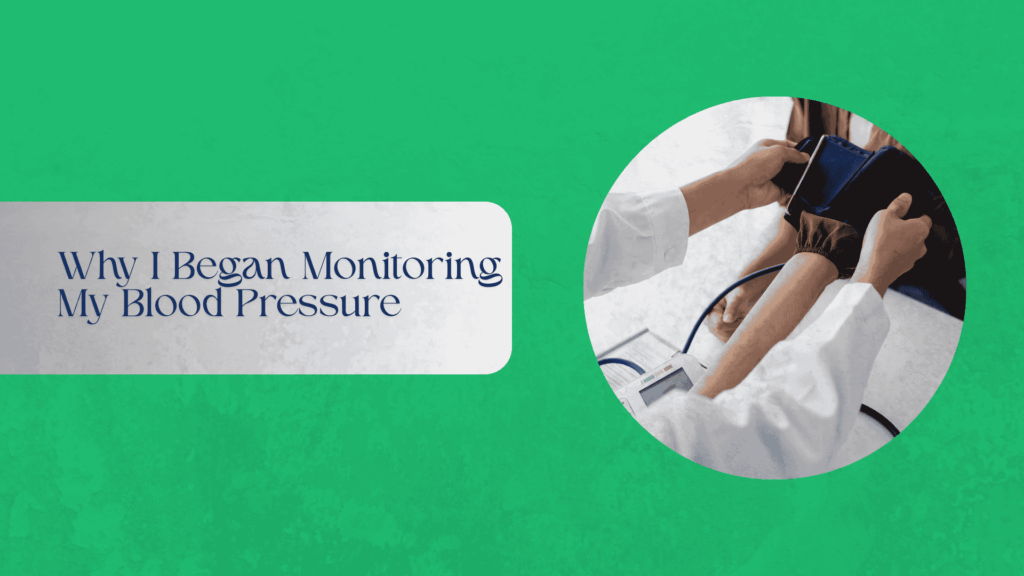
Regular checkups with your healthcare provider can help detect early signs of heart disease, allowing for early intervention. Monitoring blood pressure, cholesterol levels, and other vital signs regularly is essential for managing heart health and preventing serious conditions.
Incorporating these daily habits into your life can dramatically improve your heart health and reduce the risk of cardiovascular diseases. Remember, prevention is always better than treatment. Start today by making small changes, and you’ll be on your way to a healthier heart.
Disclaimer
“This content is for general informational purposes only and is not intended as medical or professional advice. Always seek the guidance of a qualified professional regarding any questions about personal wellbeing or products.”

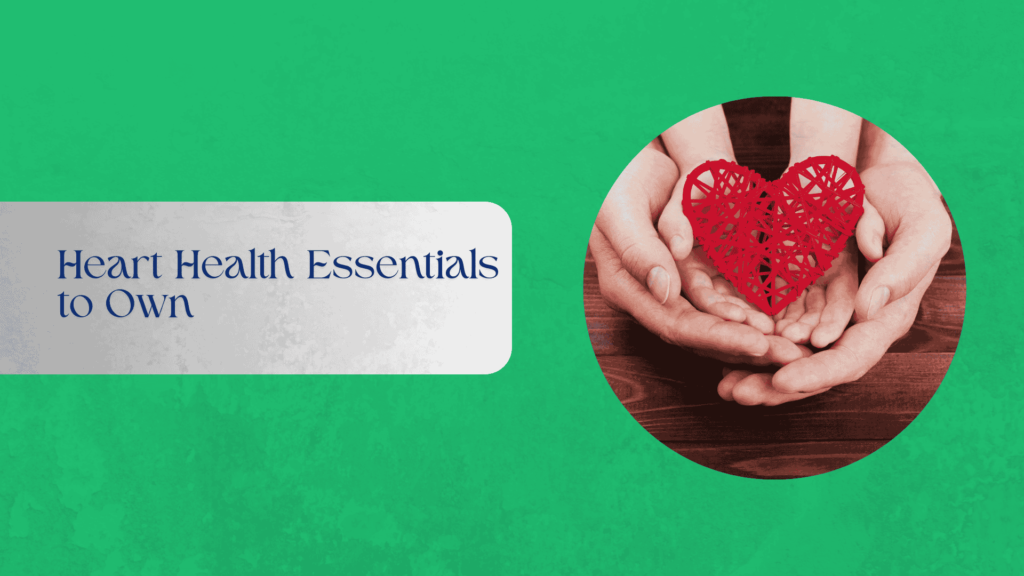
Heart health is one of the most important aspects of overall well-being, and maintaining a healthy heart is essential for longevity and quality of life. With increasing health awareness, it’s crucial to incorporate good habits and the right tools to support heart health. This blog post highlights the heart health essentials every individual should own and keep in mind for a healthier lifestyle.
The heart is the body’s most vital organ, responsible for circulating blood and nutrients throughout the body. Understanding how it works and what can affect its function is the first step toward taking proactive steps to protect it. Awareness of risk factors like high blood pressure, cholesterol, and family history can play a huge role in how we care for our hearts.
Establishing healthy habits can go a long way in preventing heart disease. These include regular exercise, balanced nutrition, and stress management. Let’s explore how simple lifestyle changes can reduce risk factors and improve your heart health over time.
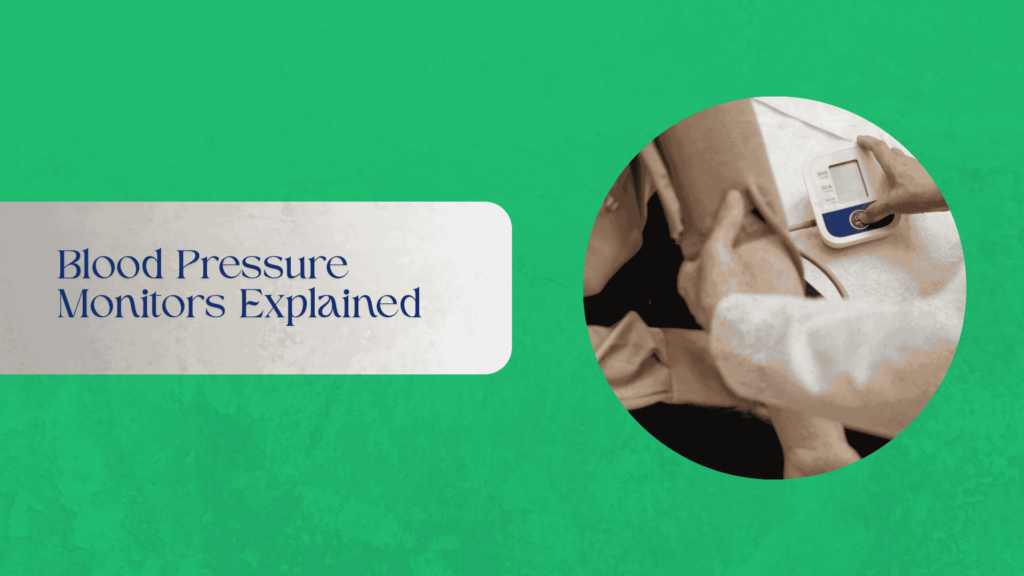
There are several tools and products that can support heart health in everyday life, such as heart rate monitors, blood pressure cuffs, and nutrient-rich supplements. Let’s look at some of the heart health essentials that can help you monitor and maintain a healthy heart.
Scheduling regular visits with your healthcare provider for heart checkups can help identify potential problems early. Routine tests such as cholesterol checks, blood pressure monitoring, and ECGs are crucial for staying ahead of any issues.
Stress is a major contributor to heart disease. Learning how to manage stress can not only improve your emotional well-being but also lower your heart disease risk. Simple activities like meditation, breathing exercises, and getting enough sleep can have a profound impact.
What we eat has a direct impact on heart health. A balanced diet rich in fruits, vegetables, and healthy fats can reduce the risk of heart disease. Avoiding excessive salt, processed foods, and trans fats will also benefit the heart.
Physical activity is one of the best ways to keep your heart healthy. Whether it’s daily walking, jogging, or yoga, regular exercise helps improve circulation, lower blood pressure, and keep the heart in top shape.
Taking care of your heart is a long-term commitment, and the right tools, habits, and knowledge are key to success. From understanding the importance of heart health to incorporating the right products into your daily routine, every step counts in improving your quality of life.
“This content is for general informational purposes only and is not intended as medical or professional advice. Always seek the guidance of a qualified professional regarding any questions about personal wellbeing or products.”