by iamrolanddiaz | Dec 26, 2025 | Advocacy
Table of Contents
- Introduction
- The Importance of Daily Movement
- Balanced Diet and Heart Health
- Managing Stress Effectively
- Sleep and Its Impact on Heart Health
- Hydration and Heart Health
- Avoiding Tobacco and Limiting Alcohol
- Regular Health Checkups
- Conclusion
- Frequently Asked Questions (FAQ)
Introduction
The daily habits we incorporate into our lives can have a profound impact on our heart health. Simple lifestyle changes—like staying active, eating a balanced diet, and getting adequate rest—can help reduce the risk of heart disease. This article explores how a few key habits can strengthen your heart and improve overall wellness.
The Importance of Daily Movement
Regular physical activity is essential for maintaining a healthy heart. Whether it’s a brisk walk, cycling, or a daily workout routine, staying active strengthens the heart muscle, improves circulation, and helps maintain healthy blood pressure and cholesterol levels. The Australian Heart Foundation recommends at least 30 minutes of moderate activity per day to support cardiovascular health.
Balanced Diet and Heart Health
Eating a well-rounded diet rich in fruits, vegetables, whole grains, and healthy fats is crucial for heart health. Foods such as leafy greens, nuts, seeds, and fatty fish (like salmon) provide essential nutrients that protect the heart from damage caused by high cholesterol, high blood pressure, and inflammation.
Managing Stress Effectively
Chronic stress can take a toll on your heart, raising blood pressure and promoting unhealthy lifestyle choices like overeating or smoking. Regular mindfulness practices such as meditation, yoga, or deep breathing exercises can help reduce stress and improve cardiovascular health.
Sleep and Its Impact on Heart Health
Getting enough restful sleep is vital for heart health. Sleep allows the body to repair itself, and insufficient sleep can lead to an increased risk of high blood pressure, heart disease, and stroke. Aim for 7-9 hours of quality sleep each night to support overall well-being.
Hydration and Heart Health
Staying well-hydrated helps maintain healthy blood volume, regulates body temperature, and supports nutrient transport. Dehydration can strain the heart, so be sure to drink plenty of water throughout the day, especially if you’re physically active.
Avoiding Tobacco and Limiting Alcohol
Tobacco use is one of the leading causes of heart disease, while excessive alcohol intake can raise blood pressure and lead to arrhythmias. Quitting smoking and limiting alcohol consumption can significantly reduce your risk of developing cardiovascular conditions.
Regular Health Checkups
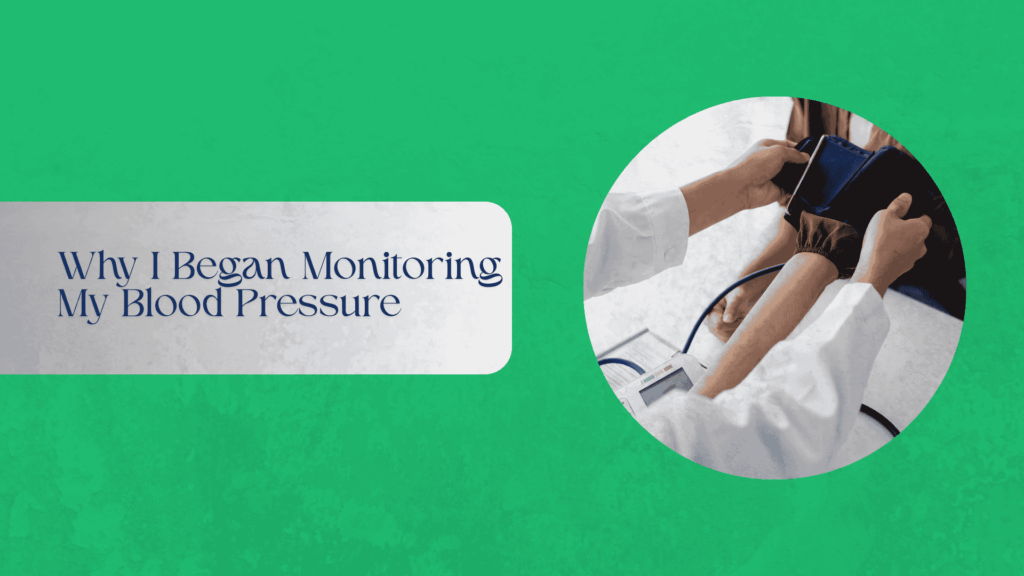
Regular checkups with your healthcare provider can help detect early signs of heart disease, allowing for early intervention. Monitoring blood pressure, cholesterol levels, and other vital signs regularly is essential for managing heart health and preventing serious conditions.
Conclusion
Incorporating these daily habits into your life can dramatically improve your heart health and reduce the risk of cardiovascular diseases. Remember, prevention is always better than treatment. Start today by making small changes, and you’ll be on your way to a healthier heart.
Frequently Asked Questions (FAQ)
- Q1: How often should I exercise for heart health?
A1: The Australian Heart Foundation recommends at least 30 minutes of moderate-intensity physical activity on most days of the week.
Disclaimer
“This content is for general informational purposes only and is not intended as medical or professional advice. Always seek the guidance of a qualified professional regarding any questions about personal wellbeing or products.”
by iamrolanddiaz | Dec 23, 2025 | Advocacy
Table of Contents
- Introduction
- Understanding Dehydration
- Common Dehydration Symptoms to Watch For
- How Climate and Activity Level Impact Dehydration Risk
- Dehydration and Its Effects on Mental Clarity
- Dehydration in Children and the Elderly: A Special Focus
- Preventing Dehydration: Tips for Daily Hydration
- Hydration Myths Australians Should Stop Believing
- Why Electrolyte Balance is Crucial for Hydration
- How to Safely Rehydrate After Exercising or Being Outdoors
- Conclusion
Introduction
Dehydration is a serious condition that can often go unnoticed until it reaches an advanced stage. Many Australians are unaware of the early warning signs and can put themselves at risk, especially during the hotter months. In this blog, we explore the dehydration warning signs that are commonly ignored, and how you can prevent and address them with simple, effective strategies. Whether you’re working in the heat, exercising, or simply going about your daily routine, staying hydrated is essential for your wellbeing.
Understanding Dehydration
Dehydration occurs when the body loses more fluids than it takes in, leading to an imbalance that can affect its normal functioning. In Australia, high temperatures and active lifestyles contribute to dehydration risks. Understanding how dehydration develops is key to preventing its harmful effects.
Common Dehydration Symptoms to Watch For
There are several signs of dehydration that Australians often overlook, such as dark yellow urine, dry mouth, and dizziness. Recognizing these early symptoms can help you take action before dehydration becomes more severe.
How Climate and Activity Level Impact Dehydration Risk
Australia’s hot climate, combined with outdoor activities and sports, increases the risk of dehydration. It is important to recognize that physical exertion in warm weather can lead to fluid loss far faster than many realize.
Dehydration and Its Effects on Mental Clarity
Dehydration doesn’t just affect the body physically—it can also impact your mental focus and alertness. Dehydration can lead to headaches, dizziness, and difficulty concentrating, which may be more dangerous than many realize.
Dehydration in Children and the Elderly: A Special Focus
Certain groups, such as children and the elderly, are more susceptible to the effects of dehydration. They may not always be able to recognize the symptoms, making it even more important for caregivers to be aware of warning signs.
Preventing Dehydration: Tips for Daily Hydration
Staying hydrated requires more than just drinking water. Eating water-rich foods, balancing electrolytes, and adjusting hydration practices based on activity and weather conditions are all part of the equation.
Hydration Myths Australians Should Stop Believing
Many common myths about hydration could be putting you at risk. For example, some people believe that sugary drinks hydrate as well as water. This section debunks the myths and sets the record straight.
Why Electrolyte Balance is Crucial for Hydration
Maintaining a balance of electrolytes is vital for effective hydration, especially in hot climates and during exercise. Learn how electrolytes help the body retain fluid and support healthy function.
How to Safely Rehydrate After Exercising or Being Outdoors
Rehydrating properly after physical activity or being in the heat is essential for recovery. This section covers the best practices for rehydration, including when to drink and what to consume.
Conclusion
Understanding the warning signs of dehydration is essential for staying healthy, especially during Australia’s hot seasons. By staying vigilant, maintaining a proper hydration routine, and being aware of the symptoms, you can avoid the severe consequences of dehydration.
Frequently Asked Questions (FAQs)
- What’s the best way to stay hydrated in the heat?
Staying hydrated in hot conditions requires drinking water regularly, eating water-rich foods, and balancing electrolytes. Avoid sugary drinks, which can worsen dehydration.
- Can I drink too much water?
While it’s essential to stay hydrated, drinking excessive amounts of water in a short period can lead to water intoxication, which disrupts electrolyte balance.
Mandatory Disclaimer
This content is for general informational purposes only and is not intended as medical or professional advice. Always seek the guidance of a qualified professional regarding any questions about personal wellbeing or products.