by iamrolanddiaz | Dec 24, 2025 | Advocacy
Table of Contents
- Introduction
- Why Dehydration Is a Risk on Road Trips
- Signs of Dehydration to Watch Out For
- How to Stay Hydrated During Your Road Trip
- Customer Story: How One Aussie Family Stayed Hydrated
- Hydration Tips for Different Road Trip Environments
- Best Travel Hydration Products for Long Trips
- The Importance of Regular Hydration Breaks
- Enjoy Your Road Trip Without Dehydration
- FAQ Section
Introduction
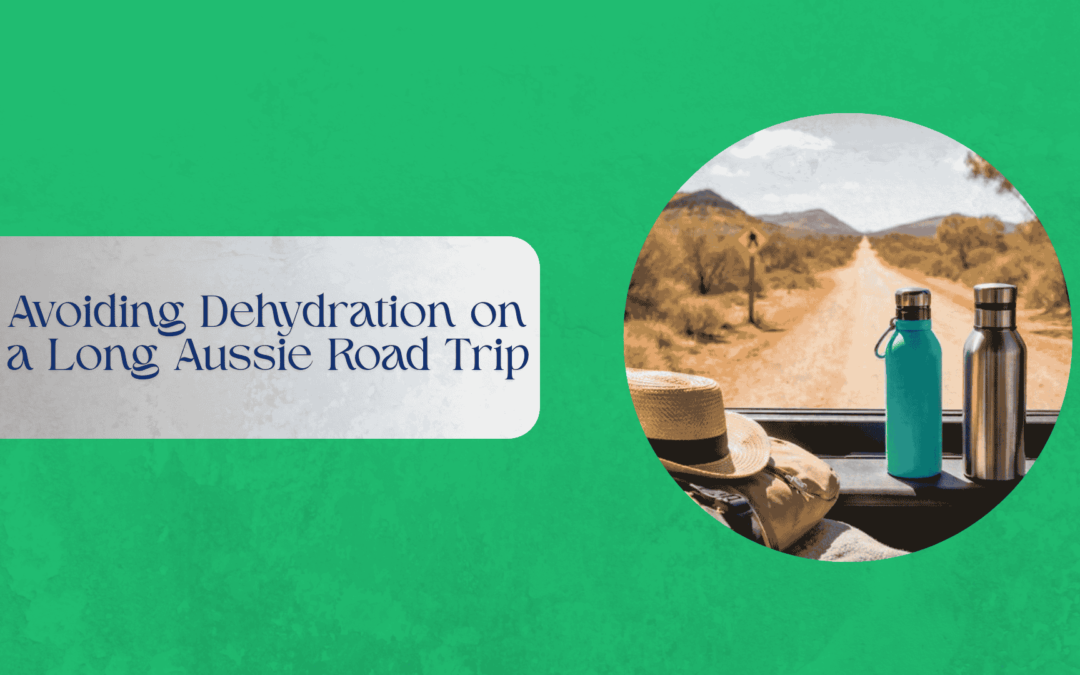
A long road trip across Australia is an adventure, but dehydration is a risk many road trippers often overlook. Staying hydrated is crucial for your health and well-being, especially when spending hours on the road in hot, dry climates. In this post, we’ll share practical tips and insights to help you avoid dehydration during your Aussie road trip.
Why Dehydration Is a Risk on Road Trips
When driving through Australia’s vast landscapes, you’re often exposed to long hours under the sun and dry environments. These factors, combined with air conditioning and limited access to water, increase the risk of dehydration. Understanding why dehydration occurs is the first step in preventing it during your journey.
Signs of Dehydration to Watch Out For
Dehydration can sneak up on you. Learn how to recognize the early signs, such as dry mouth, fatigue, dizziness, and reduced sweating, to ensure you address it before it becomes a serious concern.
How to Stay Hydrated During Your Road Trip
Carrying a large water bottle, stopping regularly for hydration breaks, and choosing hydrating snacks like fruits and vegetables are great ways to ensure you stay hydrated. Let’s explore these methods in more detail.
Customer Story: How One Aussie Family Stayed Hydrated
Read about how one Australian family avoided dehydration during their trip along the Great Ocean Road. Their story highlights practical strategies, such as pre-planning hydration stops and using the right hydration products.
Hydration Tips for Different Road Trip Environments
Whether you’re driving through the Outback or along coastal highways, hydration needs vary. Learn how to adjust your hydration routine based on the climate and terrain you’re traveling through.
Best Travel Hydration Products for Long Trips
Explore the best travel hydration products available to keep you refreshed throughout your journey. From electrolyte-packed drinks to portable water bottles, these items will make staying hydrated easy.
The Importance of Regular Hydration Breaks
Regular hydration breaks can make all the difference on long drives. Taking short, frequent stops not only allows you to hydrate but also helps with circulation and prevents fatigue.
Enjoy Your Road Trip Without Dehydration
In conclusion, staying hydrated on a long road trip is vital for your health and enjoyment. By planning ahead and carrying the right hydration products, you can ensure a comfortable and safe journey through Australia.
Frequently Asked Questions (FAQs)
- Q1: How much water should I drink daily on a road trip?
It’s recommended to drink at least 8 cups (2 liters) of water per day. However, you may need more depending on the climate and your activity level.
Mandatory Disclaimer
“This content is for general informational purposes only and is not intended as medical or professional advice. Always seek the guidance of a qualified professional regarding any questions about personal wellbeing or products.”
by iamrolanddiaz | Dec 23, 2025 | Advocacy
Introduction
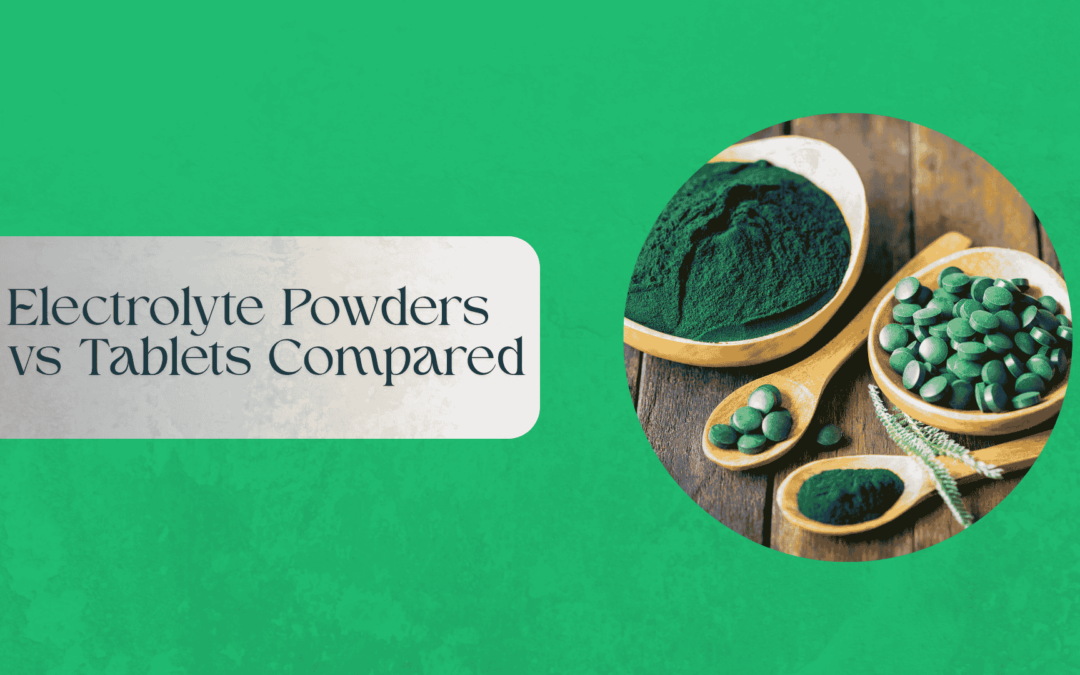
Electrolyte supplements are essential for maintaining hydration and supporting bodily functions, especially after exercise or in hot climates. Available in various forms, two popular options are electrolyte powders and tablets. But which one is better suited for your needs? In this comparison, we’ll break down the differences between electrolyte powders and tablets, focusing on their convenience, effectiveness, and when to choose one over the other. By understanding the unique features of each form, you can make an informed decision that aligns with your lifestyle and hydration goals.
For a range of electrolyte supplements designed to meet various hydration needs, check out our Electrolyte Supplements.
For more information on the benefits of proper hydration, you can refer to Hydration & Electrolytes from the Australian Government.
Ease of Use – Powders vs Tablets
When it comes to ease of use, both electrolyte powders and tablets have their advantages. Powders are usually dissolved in water, providing a customizable dose based on your hydration needs. They are easy to mix and come in a variety of flavours, making them an appealing choice for those who want to adjust their intake. Tablets, on the other hand, are portable and convenient. Simply pop one in your mouth and hydrate—it doesn’t get easier than that. However, they tend to come in fixed doses, which might not offer the flexibility that some users prefer.
Check out our Electrolyte Supplement Range for options that suit your preferred form.
Absorption and Effectiveness
Electrolyte powders generally offer faster absorption compared to tablets. This is because the powder is already dissolved in liquid, allowing for quicker digestion and absorption into the bloodstream. Tablets must first break down in your stomach, which can slow the process. That said, many tablets are designed to disintegrate quickly, but the powder form still tends to work faster in most cases. For immediate rehydration after intense exercise, powders may be the more effective option.
For more on hydration and its benefits, refer to ACMA’s Hydration Guidelines.
Portability and Storage
If you’re always on the go, portability becomes a crucial factor in choosing between powders and tablets. Electrolyte tablets are compact, easy to carry, and do not require any additional equipment—just water. They are a great option for travel, gym sessions, or long days out. In contrast, electrolyte powders require a mixing container and may be bulkier, although some powder packets are available for portability. For those who prioritise convenience while travelling, tablets are the clear winner.
Explore our Electrolyte Supplements to find convenient options for travel and daily use.
Flavour and Customisation
Electrolyte powders are available in a wide variety of flavours, allowing users to enjoy different tastes and even combine them with other drinks for added variety. They also offer flexibility in terms of flavour intensity—you can adjust the amount of powder depending on how strong you want the taste. Tablets, in contrast, are usually limited to one or two flavour options, and the taste is often mild, as they are designed for quick consumption rather than enjoyment.
If you prefer customized flavors, consider checking out our Electrolyte Powder Selection.
Cost Considerations
When comparing cost, electrolyte powders typically provide more servings per container, which may be more economical in the long run. However, tablets can be a more affordable option for those who use electrolytes less frequently or want a single-serving solution. Additionally, powders may require measuring spoons or mixing tools, which can add to the overall cost. The price of both forms can vary based on brand, ingredients, and additional features like organic or sugar-free options, so it’s worth considering how much you plan to use them.
Visit our Electrolyte Supplement Range for budget-friendly options.
Conclusion
When it comes down to choosing between electrolyte powders and tablets, the decision largely depends on your personal preferences, lifestyle, and specific hydration needs. Powders offer more flexibility in dosage and flavor, while tablets are more convenient and portable. Consider how you plan to use them—whether for sports, travel, or general hydration—and choose the option that best fits your routine.
For a selection of electrolyte supplements tailored to your needs, check out our Electrolyte Supplement Range.
Remember, it’s important to stay hydrated and replenish lost electrolytes, especially after intense physical activity or during hot weather. Always consult with a healthcare professional if you have any concerns regarding your hydration needs.
Frequently Asked Questions (FAQs)
- Q1: Are electrolyte powders or tablets better for hydration during exercise?
A1: Both forms are effective for hydration, but powders tend to be absorbed more quickly since they are dissolved in liquid. This makes them a better option for rapid hydration during or after intense physical activity. Tablets are still effective but may take longer to digest.
For more detailed hydration advice, check out Hydration & Electrolytes.
Disclaimer:
“This content is for general informational purposes only and is not intended as medical or professional advice. Always seek the guidance of a qualified professional regarding any questions about personal wellbeing or products.”
by iamrolanddiaz | Dec 23, 2025 | Advocacy
Table of Contents
- Introduction
- Understanding Dehydration
- Common Dehydration Symptoms to Watch For
- How Climate and Activity Level Impact Dehydration Risk
- Dehydration and Its Effects on Mental Clarity
- Dehydration in Children and the Elderly: A Special Focus
- Preventing Dehydration: Tips for Daily Hydration
- Hydration Myths Australians Should Stop Believing
- Why Electrolyte Balance is Crucial for Hydration
- How to Safely Rehydrate After Exercising or Being Outdoors
- Conclusion
Introduction
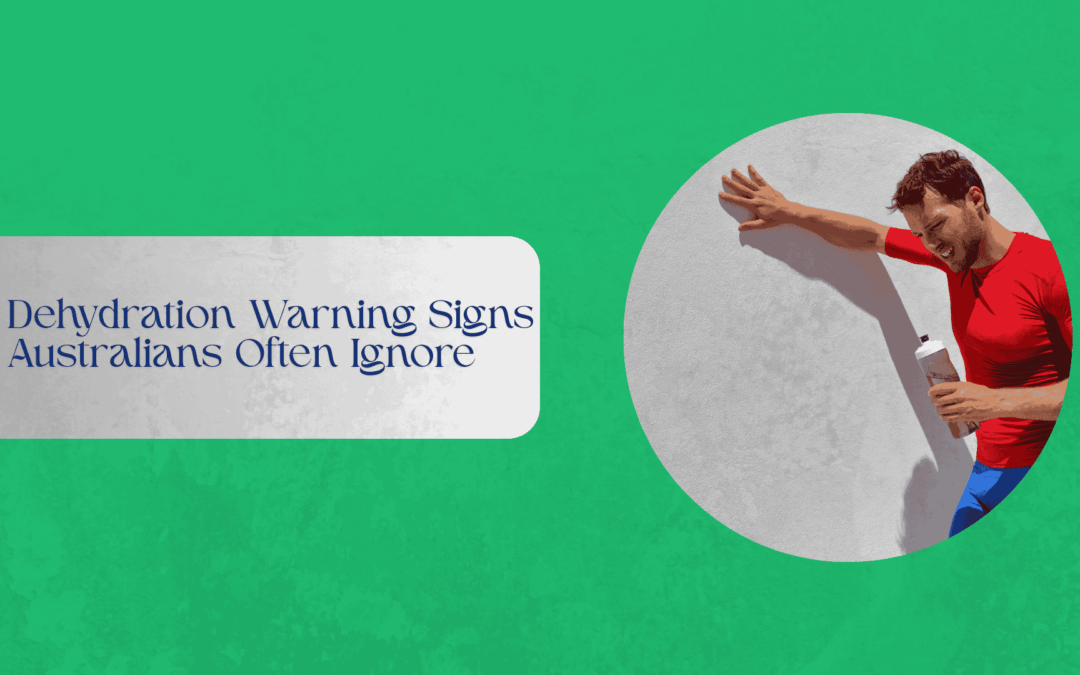
Dehydration is a serious condition that can often go unnoticed until it reaches an advanced stage. Many Australians are unaware of the early warning signs and can put themselves at risk, especially during the hotter months. In this blog, we explore the dehydration warning signs that are commonly ignored, and how you can prevent and address them with simple, effective strategies. Whether you’re working in the heat, exercising, or simply going about your daily routine, staying hydrated is essential for your wellbeing.
Understanding Dehydration
Dehydration occurs when the body loses more fluids than it takes in, leading to an imbalance that can affect its normal functioning. In Australia, high temperatures and active lifestyles contribute to dehydration risks. Understanding how dehydration develops is key to preventing its harmful effects.
Common Dehydration Symptoms to Watch For
There are several signs of dehydration that Australians often overlook, such as dark yellow urine, dry mouth, and dizziness. Recognizing these early symptoms can help you take action before dehydration becomes more severe.
How Climate and Activity Level Impact Dehydration Risk
Australia’s hot climate, combined with outdoor activities and sports, increases the risk of dehydration. It is important to recognize that physical exertion in warm weather can lead to fluid loss far faster than many realize.
Dehydration and Its Effects on Mental Clarity
Dehydration doesn’t just affect the body physically—it can also impact your mental focus and alertness. Dehydration can lead to headaches, dizziness, and difficulty concentrating, which may be more dangerous than many realize.
Dehydration in Children and the Elderly: A Special Focus
Certain groups, such as children and the elderly, are more susceptible to the effects of dehydration. They may not always be able to recognize the symptoms, making it even more important for caregivers to be aware of warning signs.
Preventing Dehydration: Tips for Daily Hydration
Staying hydrated requires more than just drinking water. Eating water-rich foods, balancing electrolytes, and adjusting hydration practices based on activity and weather conditions are all part of the equation.
Hydration Myths Australians Should Stop Believing
Many common myths about hydration could be putting you at risk. For example, some people believe that sugary drinks hydrate as well as water. This section debunks the myths and sets the record straight.
Why Electrolyte Balance is Crucial for Hydration
Maintaining a balance of electrolytes is vital for effective hydration, especially in hot climates and during exercise. Learn how electrolytes help the body retain fluid and support healthy function.
How to Safely Rehydrate After Exercising or Being Outdoors
Rehydrating properly after physical activity or being in the heat is essential for recovery. This section covers the best practices for rehydration, including when to drink and what to consume.
Conclusion
Understanding the warning signs of dehydration is essential for staying healthy, especially during Australia’s hot seasons. By staying vigilant, maintaining a proper hydration routine, and being aware of the symptoms, you can avoid the severe consequences of dehydration.
Frequently Asked Questions (FAQs)
- What’s the best way to stay hydrated in the heat?
Staying hydrated in hot conditions requires drinking water regularly, eating water-rich foods, and balancing electrolytes. Avoid sugary drinks, which can worsen dehydration.
- Can I drink too much water?
While it’s essential to stay hydrated, drinking excessive amounts of water in a short period can lead to water intoxication, which disrupts electrolyte balance.
Mandatory Disclaimer
This content is for general informational purposes only and is not intended as medical or professional advice. Always seek the guidance of a qualified professional regarding any questions about personal wellbeing or products.